As the summer sun finally shows up and the garden warms up, it’s natural to start daydreaming about your own strip of clear, swimmable water. This is your guide to natural pools and swimming ponds myths debunked. No sales fluff, just what actually works in a real garden.
You’ve probably heard the horror stories: that swimming ponds are smelly, full of frogs, or impossible to keep clear without a cocktail of chemicals. In reality, a well-designed natural swimming pond blends the luxury of a swimming pool with the tranquillity of nature.
At Ponds by Michael Wheat, our swimming pond designers and natural pool builders create spaces that feel like a wild dip but behave like a proper swim lane. In this post, we’ll walk through the most common myths about cleanliness, wildlife, upkeep, filtration and safety, and show you which worries matter, which don’t, and what to expect if you want a pond that looks natural but swims like a dream.
5 Common Swimming Pond Myths Debunked
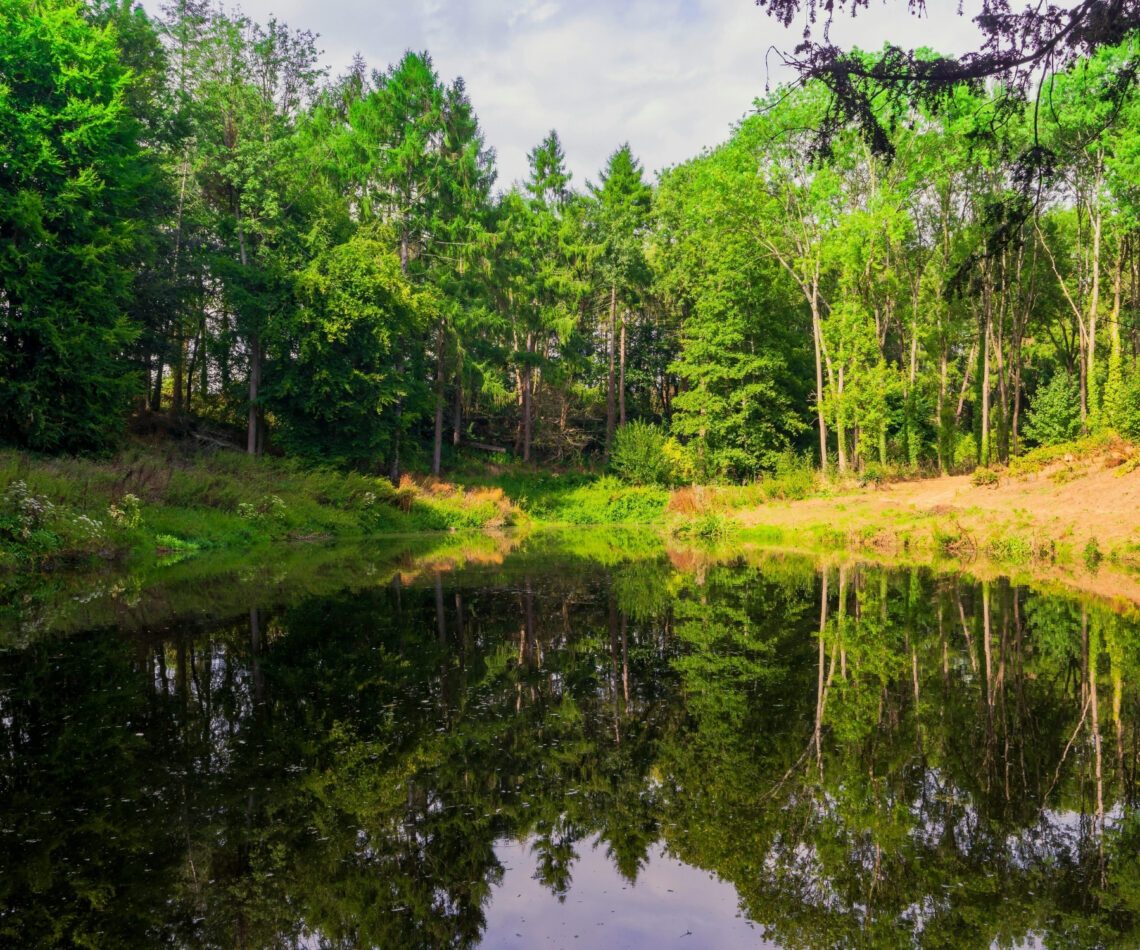
Learn which concerns matter and which are just noise. Read the short explanations below to see how design, plant zones and basic care keep your pond clear, safe and practical, without turning it into a chemistry lab!
1. Myth: Natural Ponds Are Always Murky
A well-designed natural swimming pond (or natural swimming pool) can stay crystal clear with proper pond maintenance.
- The natural swimming area is supported by a regeneration zone planted with species that oxygenate the water and absorb nutrients, helping with preventing algae growth.
- A good natural filtration system and circulation pump move water between the swim zone and the planted zone, where biology does the cleaning.
- If you see cloudy water, the usual checks are simple: flow rates, planting density, sediment washing into the pond, or lack of basic plant care.
With the right depth, circulation and planted filter, many modern swimming ponds offer over a metre of clarity and a genuinely good swimming experience.
2. Myth: Swimming Ponds Are Full of Wildlife
Swimming ponds offer space for wildlife, but most of it stays where it belongs.
- Frogs, insects and birds prefer the shallow, plant-rich edges in the regeneration zone.
- The deeper swim area is less attractive to wildlife and is usually quiet when people are in the water.
You can design for both: keep the swimming zone deeper and open, and put logs, stones and marginal plants in the planted areas. That way wildlife can thrive at the edges while you simply enjoy a clear swim in the middle. If the idea of a few swimming buddies appeal to you, wildlife ponds offer the chance to provide a safe haven to garden wildlife while enjoying the benefits of a swim pond.
3. Myth: Ponds Attract Mosquitoes
Any stagnant water can cause issues, but a properly built swimming pond shouldn’t become a mosquito farm.
- Constant circulation and oxygenation stop water from becoming still.
- Predatory insects and fish naturally keep larvae in check.
- You avoid problems by keeping water moving over planted zones, preventing little “leftover” puddles around the edges, and skimming surface debris.
In short, a live, balanced pond is the opposite of the neglected water mosquitoes really love.
4. Myth: Small Ponds Are Easier to Manage
Small doesn’t always mean simple.
- Limited volume heats and cools quickly, which can stress plants and encourage algae compared to larger natural swimming pools.
- There’s less room for error when it comes to nutrients, circulation and planting.
You need the regeneration zone and filtration sized correctly for the pond volume, with dense pond planting and efficient pumps. A compact swimming pond can still be low-maintenance and serene, but it needs proper design, not guesswork.
5. Myth: Swimming Ponds Attract Rats
This is one of the most common questions people ask, and usually it’s scaremongering due to Weil’s disease
- When a pond is clean, circulating and well-maintained, it does not act as a rat magnet.
- Rats are far more interested in rubbish, chicken runs and food sources than in a clear, open body of chemical-free water.
Good pond hygiene, well-kept surroundings and sensible garden storage are what really matter here, not whether you choose a natural swimming pond or a traditional swimming pool. A well-designed swimming pond can blend seamlessly into your garden while remaining an unattractive place for rats to settle. And as part of the design process, if you are aware of rats in the local area, we can factor this in from the outset, using landscaping and detailing choices that help deter them.
Low Maintenance and Pond Upkeep Truths
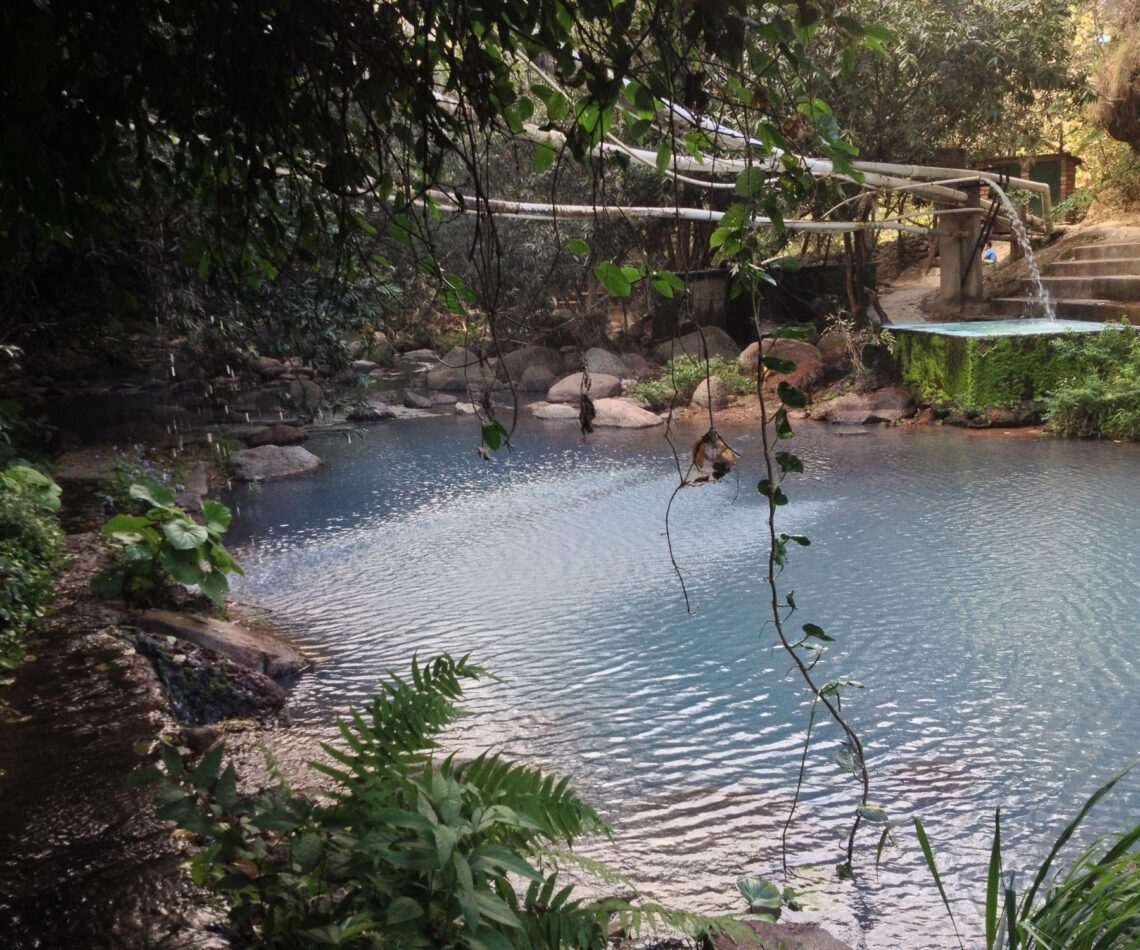
A well-designed swimming pond uses plants, biofiltration and simple circulation to do most of the hard work. Instead of daily chemical dosing, you’re mainly looking at seasonal checks, light cleaning and the odd small repair to keep everything running smoothly.
Compared with a conventional pool, which relies on constant chemical testing, pH balancing, chlorine or salt dosing and regular backwashing, a natural swimming pond leans on its regeneration zone and biological filtration. You still run a pump and basic mechanical filter, but you rarely add chemicals and focus instead on water flow, plant health and good design upfront.
Typical seasonal jobs look like this:
- Spring: Check liner, pumps and pipework, clean filters, restart circulation and tidy dead growth.
- Summer: Watch water clarity and flow, empty skimmers and thin out dense planting.
- Autumn: Net and remove leaves, use a cover if you have heavy tree fall, service the pump before cold weather.
- Winter: Reduce debris, keep a small area ice-free for gas exchange, and winterise sensitive pumps if temperatures drop.
Water Clarity, Aquatic Life, and Pond Ecosystems
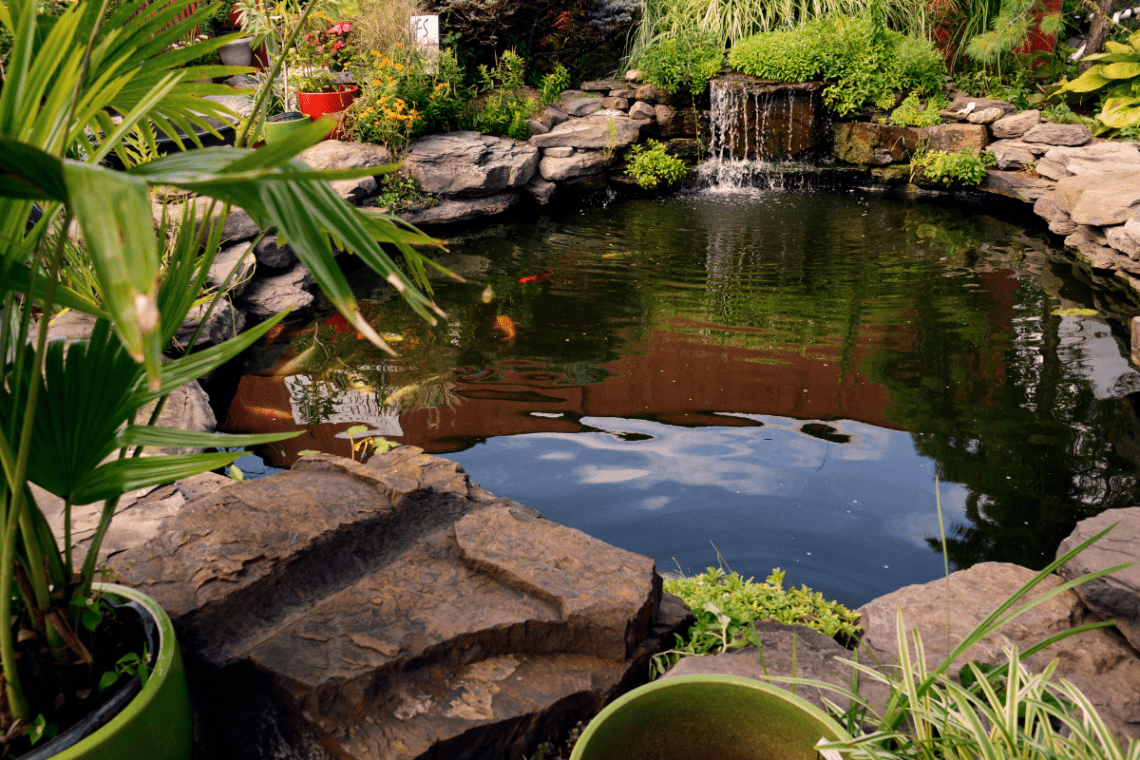
Clear water isn’t an accident, it’s the result of a balanced ecosystem where plants, bacteria and aquatic life all play their part. Good design puts planting and biofiltration in the right places so they can remove excess nutrients, keep algae under control and still leave you with a clean, usable swimming area.
Role of Aquatic Plants and Beneficial Bacteria
Aquatic plants and beneficial bacteria are the engine room of a natural swimming pond. Plants in the regeneration zone absorb nutrients that would otherwise feed algae, while bacteria on gravel and filter media break down fish waste into less harmful forms. As a rule of thumb, planting around 50–70% of the total pond area gives you enough uptake power for clear water while still leaving plenty of open space for swimming.
Leap into the Wild with Frogs and Friends
As you immerse yourself in the gentle embrace of your own natural swimming pond, you may encounter some unexpected but delightful company. Frogs, those nimble acrobats of the amphibian world, may hop in for a visit and serenade you with their charming croaks.
These little green performers are harmless, and their presence only adds to the enchantment of your watery oasis. Embrace their company and let them provide the soundtrack while you enjoy your leisurely dips.
Water Snails: Nature’s Aquatic Architects
While we’re on the topic of enchanting pond creatures, don’t forget the fascinating water snails. These tiny, spiral-shelled architects of the underwater world play a crucial role in maintaining the delicate balance of your swimming pond’s ecosystem.
They help keep the water clean by munching on algae, making sure your aquatic paradise remains pristine and inviting. They’re the quiet, unsung heroes of natural water maintenance working away in the background.
Fish, Koi, and Plant Compatibility
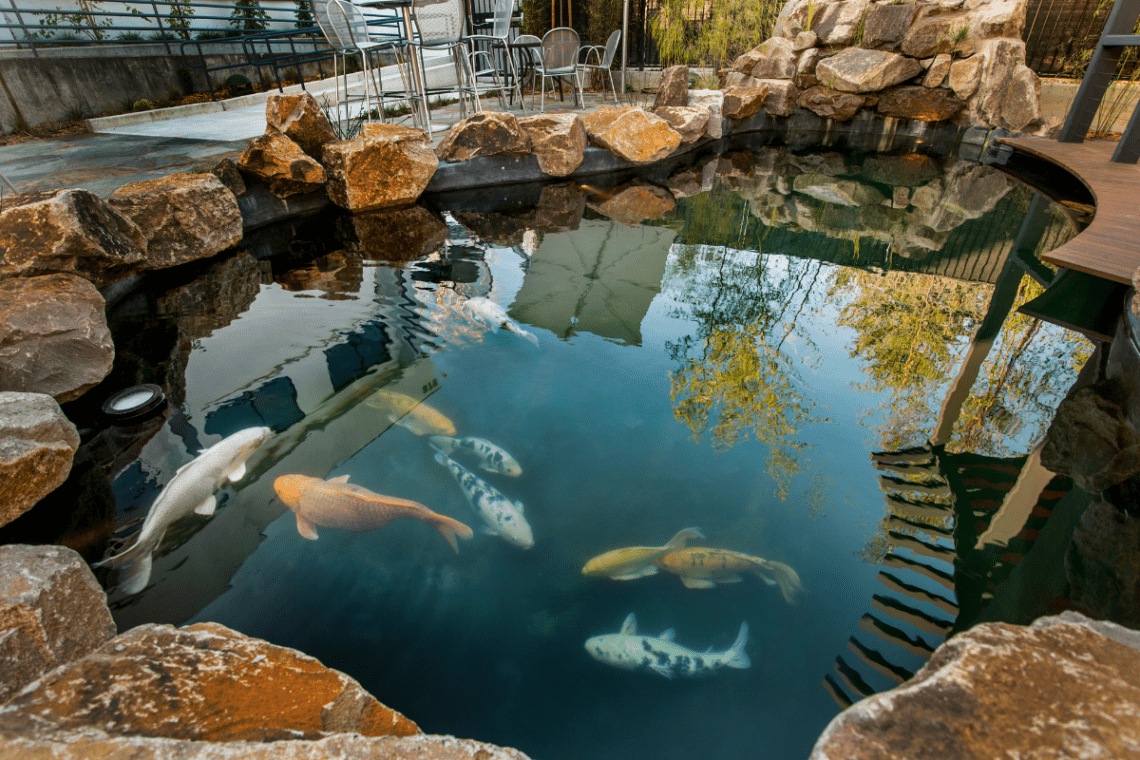
Swimming with fish is not something we generally recommend. However, if you do wish to include fish, it is only suitable in a swimming pond with a filtration system capable of coping with the additional biological load, such as one built by Ponds by Michael Wheat. Unfortunately, the filtration used in swimming ponds built in the traditional way would not be able to support fish, as there is nowhere for fish waste to be effectively processed. This would result in a rapid build-up of silt within the gravel beds and a deterioration in water quality.
Fish choice has a direct impact on both water clarity and ongoing maintenance. Koi are heavy feeders and produce large amounts of waste, meaning they require significantly stronger biological filtration, increased planting, and ideally some separation from more delicate plants through rockwork or a defined regeneration zone. If you prefer lower maintenance and more consistent water clarity, smaller pond fish are a more suitable option. These species coexist more easily with planting, particularly when plant roots are protected with baskets or gravel to prevent disturbance.
Water Quality Without Chemicals
You can keep water clear and safe without routine chemicals by keeping nutrients low and water moving. Don’t overfeed fish, stop run-off, skim leaves before they rot, and let mechanical and biological filters do most of the work, with UV added to support safe, clear water. A bit of regular testing and small adjustments is usually all it takes to keep the ecosystem in balance without turning your pond into a chemistry project.
Swimming Pond Design
When we design a swimming pond, the aim is simple: it should feel like it’s always belonged there. Our team of swimming pond designers creates bespoke spaces that blend seamlessly into your existing landscape, rather than fighting against it.
We look at the natural contours of your garden, the way the light moves, and which plants will actually thrive in your conditions. The result is a natural swimming area that feels like an organic extension of your home – part wild, part luxury, and fully usable as a proper swim space.
Effective Pond Design for Healthy Water
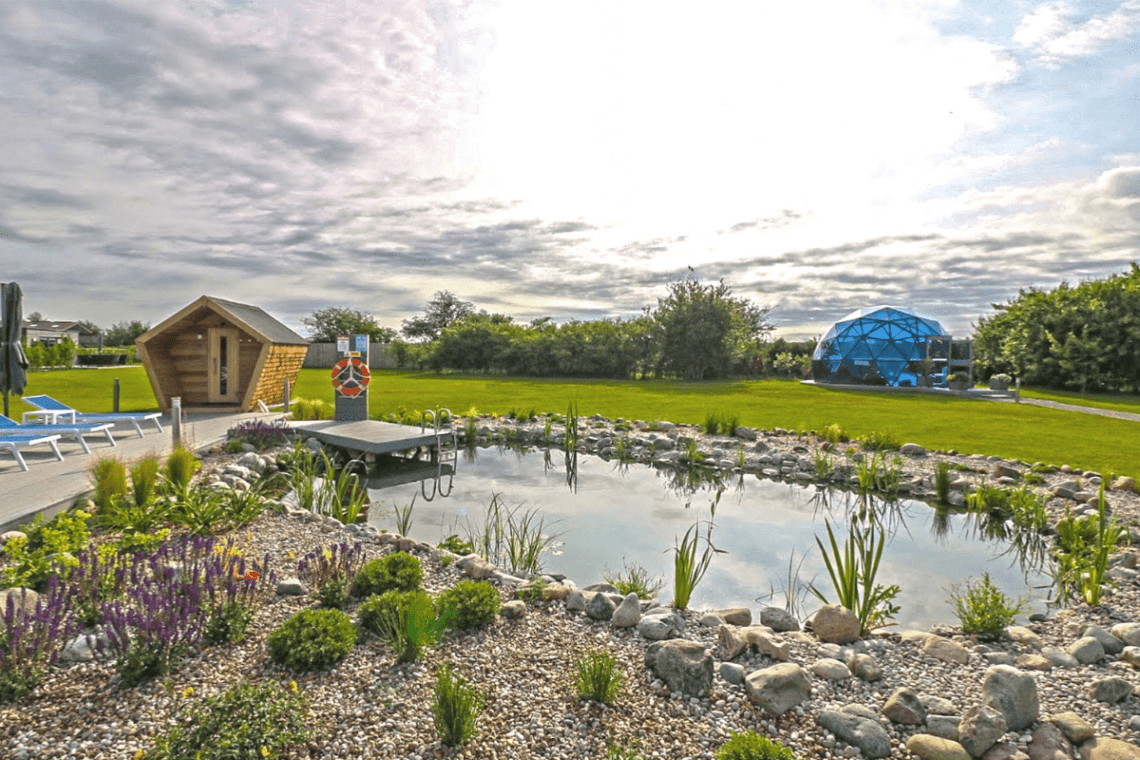
Good design is what keeps your pond clear, stable and practical to live with:
- Separate zones: Swimming and regeneration zones are kept distinct so plants, gravel and biofiltration handle nutrients, while the main swim lane stays open and inviting.
- Smart circulation: Inlets, outlets and skimmers are positioned to gently move water, and debris, towards mechanical filters, rather than letting it sit in dead spots.
- Access for maintenance: Dedicated filter chambers and accessible pipework mean servicing is straightforward, not a major excavation.
- Oxygenation where it counts: Features such as small waterfalls or jets help increase oxygen levels, which supports beneficial bacteria and fish health as well as looking and sounding good.
- Right-sized filtration: Whether it’s a full custom build or a mini pond kit, your filtration system needs proper biological media and space for a UV clarifier if required. Many off-the-shelf kits cut corners here, we don’t.
Safety by Design
Safety is built into a swimming pond from day one, not added as an afterthought. A shallow entry shelf and gentle depth changes make getting in and out feel natural, without sudden drop-offs. Non-slip finishes on steps, decking and paving, plus ladders or built-in steps at key points, keep movement around the water secure. Clear sightlines from the house, a simple safety kit such as a life ring, and discreet fencing or covers where you have young children or pets all help the pond feel reassuring as well as beautiful.
Outdoor Living and Everyday Use
A swimming pond should feel like the heart of your outdoor space, not a feature you only notice on hot days. Placing seating, a small patio or a fire pit within easy view of the water encourages you to use it regularly and actually spend time by the pond. Keeping the main swimming lane open and uncluttered, while using planted areas or a separate water garden for colour, scent and visual interest, strikes the right balance between function and atmosphere. Subtle lighting along paths and around key plants then extends its impact into the evening, turning the pond into a calm focal point even when you’re not in the water.
Dive into the Numbers: Cost and Company
The cost of a swimming pond depends on size, design complexity, site conditions and the level of finishes you choose. We can’t give an exact price without seeing the garden and understanding your priorities, but we can shape a pool project around a realistic budget and the way you want to use the space.
What we do promise is a professional service from initial consultation through to the last planting, with an expert team focused on water quality, natural filtration and long-term usability, so you can simply enjoy clear, chemical-free water and a pond that actually fits your lifestyle.
A Final Splash
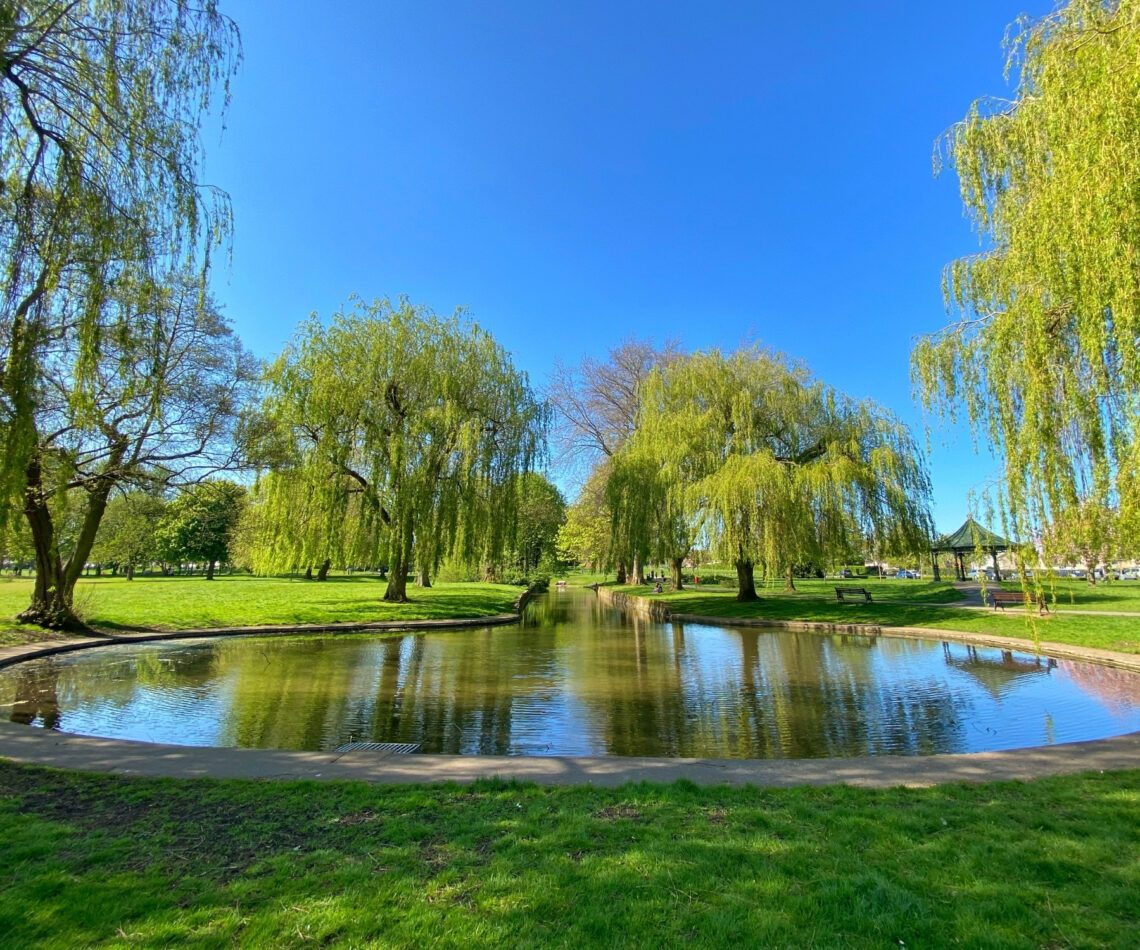
A swimming pond isn’t just for the frogs and water snails, it’s your escape from the daily rat race and a place to cool off on a hot day, surrounded by real greenery instead of concrete.
For extra inspiration on wild swimming ponds and natural water, you can also visit the British Association of Natural Swimming Ponds. And if you’d like experienced natural pool builders to handle the hard work, our team at Ponds by Michael Wheat are here to help you bring that idea off the page and into your garden.
Frequently Asked Questions
Can you swim in a swimming pond in winter?
You can swim in winter, but it’s cold-water swimming, not a heated pool. Most people keep winter dips short, use a wetsuit and get warm quickly afterwards.
Do swimming ponds need more maintenance than traditional pools?
Usually, no. Once established, a well-designed swimming pond tends to need less day-to-day work than a chlorinated pool.
Can wildlife safely share a swimming pond with people?
Yes. Wildlife naturally prefers the shallow, planted regeneration zones, while the deeper swim area stays mostly clear. With a clear separation between planted and swimming zones, both people and wildlife stay comfortable.
Are swimming ponds unhygienic or full of harmful bacteria and algae?
Not if they’re properly designed and looked after. Continuous circulation, oxygenation and a strong planting/biofilter setup limit algae and keep bacteria in check without needing chlorine. Controlling nutrient inputs, removing decaying matter and doing basic seasonal checks are usually enough to keep the water healthy and clear to swim in.