A pool to pond conversion can transform an ordinary swimming pool into a vibrant, eco-friendly oasis. This process allows you to foster a habitat for local wildlife and boost biodiversity right in your backyard. Along with creating a natural look, a pond can also offer a soothing space for relaxation.
To start, you’ll need to think about removing pool chemicals to create a clean and healthy environment for both fish and plants. Choosing the right pond filtration system is crucial in keeping the water clean and clear. You might also want to add plenty of aquatic plants and pond plants, which not only enhance the beauty of your new pond but also help in maintaining water quality.
To support their growth, ensure there are plenty of shallower areas where plants thrive and provide cover. By properly managing this new water feature, you can enjoy a thriving and attractive environment year-round.
1. Planning Your Pool to Swimming Pond Conversion
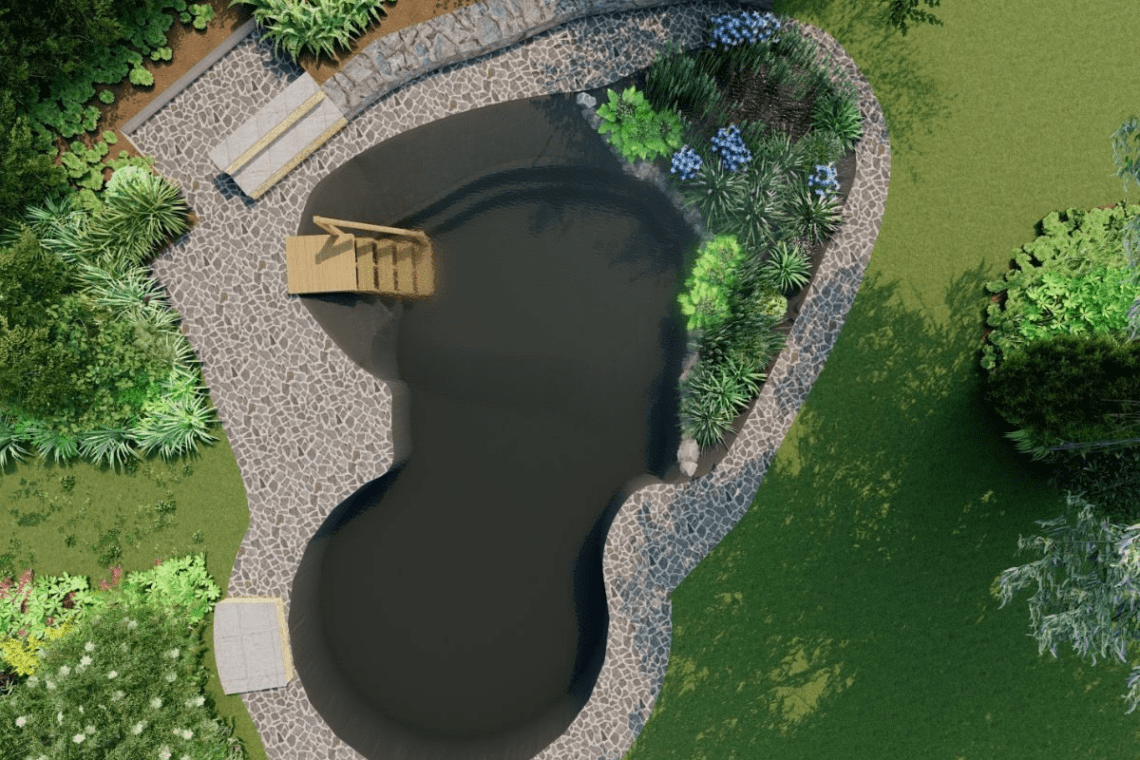
Transforming a pool into a pond requires careful assessment of the existing pool’s condition, selection of a suitable filtration system, and choosing appropriate aquatic plants and fish. Paying attention to these areas is crucial for creating a balanced and sustainable natural pond.
Assessing Your Swimming Pool’s Viability
Before starting a pool to pond conversion, check your pool’s structure. Look for any cracks or damages that require repair. Make sure the pool depth and surface area are suitable for a pond.
Consider if the pool area gets enough sunlight, as most pond plants need light for growth. Check local regulations too; some areas have specific rules about pond depth and safety features.
Choosing the Right Filtration System
For a healthy pond, a good filtration system is key. Natural ponds use biofilters and plants to keep water clean. You might need to install a pond filter and pump to circulate and oxygenate the water.
Choose filters based on the pond’s size. Larger ponds require more robust systems. Skimmers can help remove floating debris and maintain clear water. Consider adding a veggie filter or bog to help purify the water naturally.
Selecting Aquatic Plants and Fish
Selecting the best pond plants and fish is essential to create a balanced pond ecosystem. Water lilies and other pond plants not only enhance the pond’s beauty but also provide shade and reduce algae growth. Add plants in stages rather than all at once, so you can see how the pond responds and avoid overwhelming the system.
Choose marginal water plants and floating plants like duckweed for variety. Many plants also double up as natural filters and hiding spots, giving fish shelter from predators and harsh sunlight. When it comes to stocking fish, goldfish and pygmy perch are good options due to their hardiness and low care needs. Be mindful of local wildlife; consider native fish species to support the ecosystem.
Avoid overstocking with both plants and fish to maintain balance. Each addition helps in natural water filtration and contributes to a healthy environment and successful plant growth.
2. Executing the Conversion Process
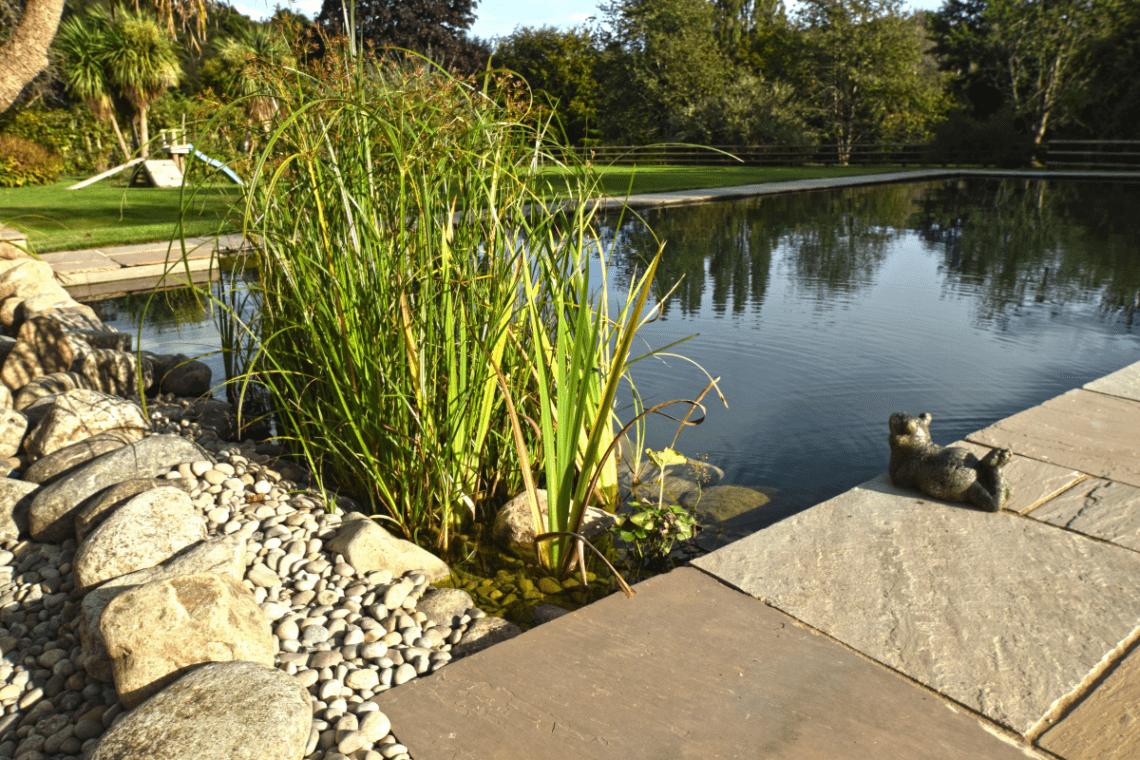
Transforming swimming pools into ponds involves careful planning and execution. You will transition from pool water to a more natural ecosystem by eliminating chemicals, installing essential equipment, and enhancing the aesthetic with natural features.
Removing the Swimming Pool Chlorine
To begin, you must stop using chlorine and turn off your pool equipment. These substances help maintain pool hygiene but are harmful to pond life. Once you cease chemical usage, you need to test the water frequently.
Allow natural cycles to aid in the breakdown of any residual chlorine. Water changes may be necessary to speed the process. When the chlorine levels are safe, start adding beneficial bacteria. These microorganisms help in maintaining a healthy ecosystem by breaking down waste products and making nutrients available for plants.
Installing Pond Pump and Biofilters
The next step is to set up a submersible pond pump and biofilters. These components are vital for maintaining water clarity, quality and oxygenation. Choose a pond pump that suits your pond’s size; it should circulate the pool’s water volume every few hours.
Biofilters work by promoting bacterial growth that consumes harmful substances. They integrate seamlessly with your pump system, enhancing the filtration process. Using both a pond pump and biofilters ensures that the pond remains a healthy environment for aquatic plants and fish, keeping the water clear and safe for wildlife.
Constructing Waterfalls and Substrates
Constructing a waterfall adds both beauty and function to your pond. Apart from creating a soothing sound, waterfalls aid in oxygenation, crucial for fish and plants. To build one, use rocks or besser blocks to create a natural look. The cascading water can help control algae growth by circulating nutrients.
In addition to waterfalls, substrates such as gravel or sand should be laid at the bottom of the pond. This creates an ideal growing space for aquatic plants, offering support and nutrients.
Substrates also provide hiding spaces for fish and other organisms, contributing to a balanced pond ecosystem. By combining these elements, you create a sustainable and attractive environment that mimics a natural pond.
3. Maintaining Your Natural Pond
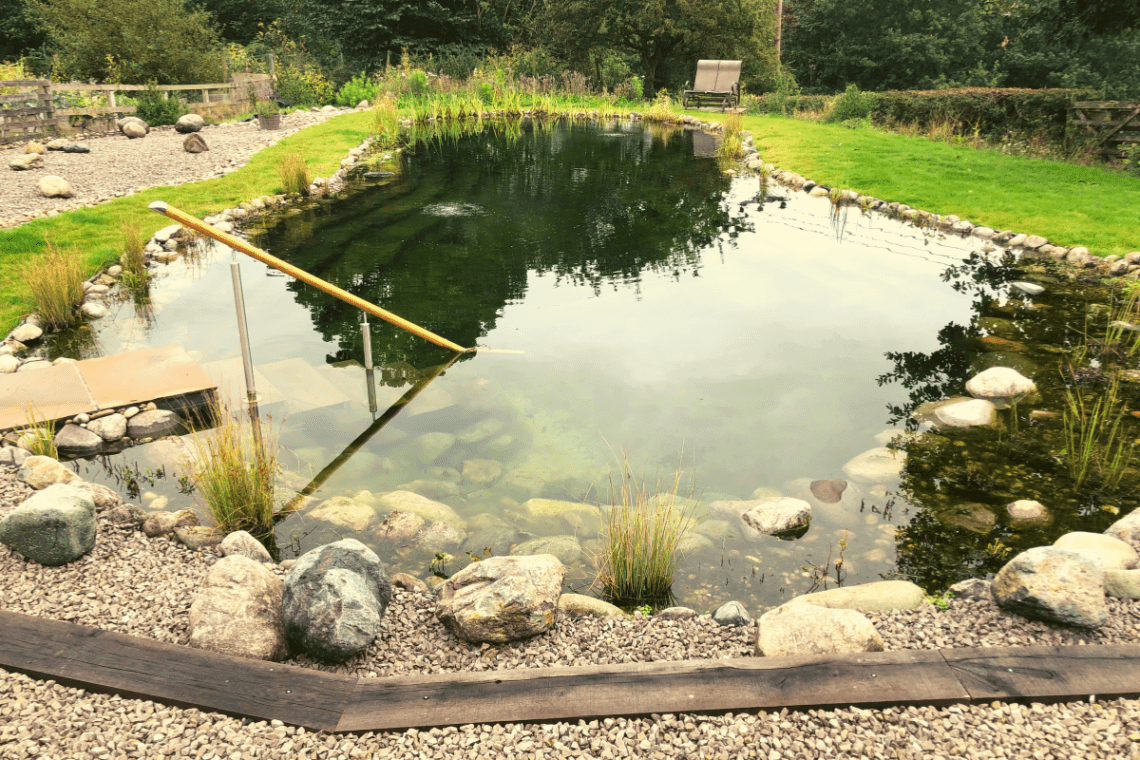
Maintaining a natural pond involves ensuring water quality and nurturing a balanced ecosystem. Effective pond treatments and regular checks are essential to keep your pond healthy and attractive.
Regular Pond Treatments and Water Quality Checks
It is important to monitor water quality to help your pond thrive. Test the water regularly to check for unwanted chemicals such as nitrates and phosphates, which can lead to algae growth. Use a test kit to measure pH levels, ensuring they remain between 6.5 and 8.0 for optimal conditions.
Natural filtration methods are both helpful and environmentally friendly. These filters work by using beneficial bacteria to break down waste products. Keeping the filters clean and functioning well is crucial for maintaining clear water.
Regular maintenance helps avoid excessive algae. Manual removal of control string algae is also a part of regular pond care, especially with an average-sized pool.
Promoting a Healthy Ecosystem
You can encourage a healthy ecosystem by adding native fish species that require minimal care. Fish, like goldfish, help control insects and keep your pond’s ecosystem balanced. They also add life to your natural pond.
Encourage native wildlife by designing the pond with shallow areas and escape points or even keeping pool stairs. This creates an attractive environment for local wildlife, contributing to a robust ecosystem. Regular observation will help you detect any issues early, ensuring your pond remains a vibrant feature in your garden.
Start Your Pool Conversion with Ponds by Michael Wheat Today
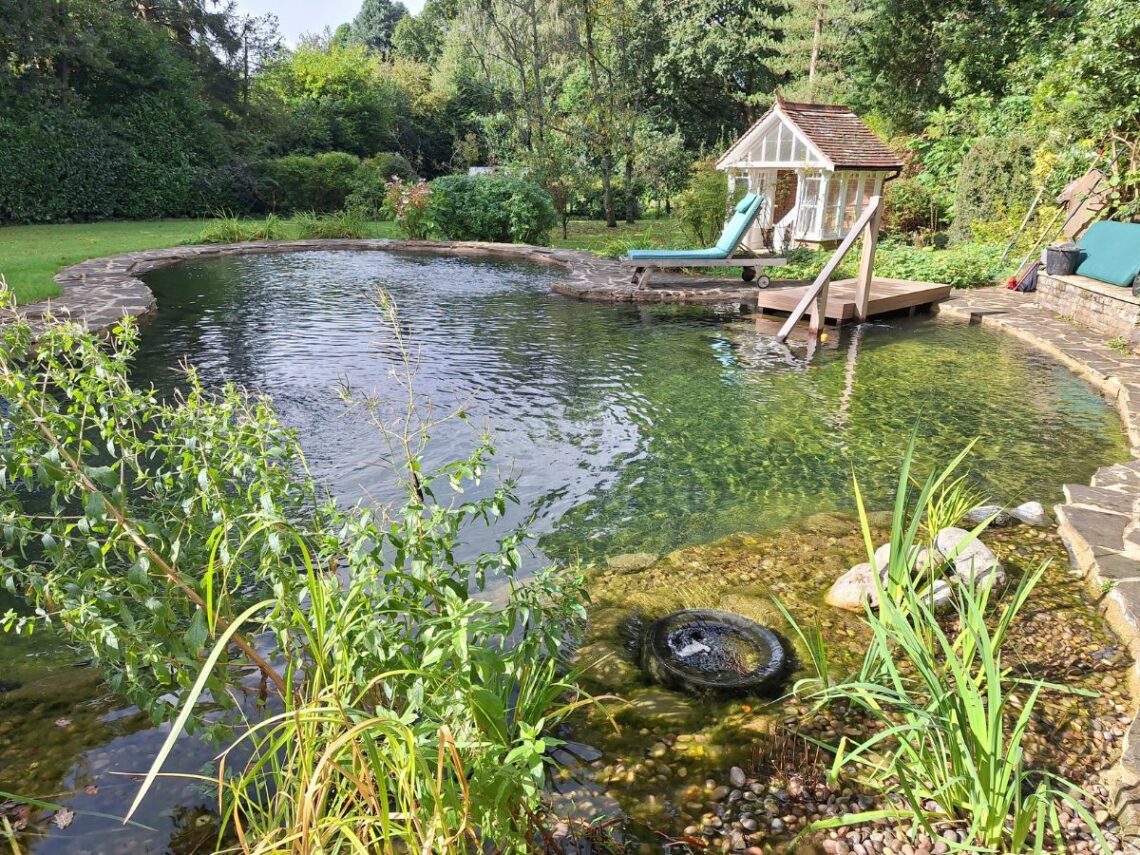
Turning your pool into a pond is a terrific way to transform your garden. What’s most important to do is to stop using chlorine, installing a pond pump and adding substrates to your pond.
Whether you’re looking to turn your pool into a swimming pond or a fish pond, Ponds by Michael Wheat can help you out today. We’ve built hundreds of ponds in the UK, so we can build you a large pond system or wildlife pond, so feel free to contact us at 0116 402 0716 or [email protected].
Frequently Asked Questions
Can you still swim in a converted pool pond?
Yes. If you design it as a swimming pond rather than a pure wildlife pond. With the right filtration system, regeneration zone and planting, you can have clear, swimmable water that feels more like wild swimming than a chemically dosed pool.
Do I need planning permission to turn my pool into a pond?
In many cases you don’t, because you’re adapting an existing structure, but it depends on size, layout and local rules. It’s always worth checking with your local authority, especially if you’re adding decking, structures or changing access.
Is a pool to pond conversion cheaper than building a new swimming pond?
Usually, yes. You’re re-using the existing shell and services instead of starting from scratch, which can make it more cost-effective than a full new natural swimming pond build. See our blog on Swimming Pool Cost for more details.
How long does a pool to pond conversion take?
It depends on complexity (simple wildlife pond vs full swimming pond with regeneration zones, waterfalls and landscaping), but most projects take weeks rather than days once construction starts. The more work needed on filtration, substrates and planting, the longer the timeline, though the planning and design phase typically happens beforehand with your team.