How to clean a wildlife pond properly is less about “fixing” problems and more about keeping the natural balance intact, especially in a wildlife or garden pond. Most of the issues we’re asked to look at don’t come from neglect; they come from doing too much, too often, or stepping in at the wrong time of year.
A healthy wildlife pond is not sterile or static. Pond water levels naturally fluctuate, water temperature changes with the seasons, plant life grows and retreats, and algae appears and fades. That’s normal in natural ponds and other water bodies. Understanding how to clean a pond means knowing when to intervene lightly and when to leave the system alone. At Ponds by Michael Wheat, we specialise in building all kinds of aquatic habitats, including wildlife ponds, swimming ponds and koi ponds.
In this guide, we’ll walk through how to clean and maintain a wildlife pond properly, without damaging pond life, disturbing aquatic life, or creating more work for yourself down the line. Everything here is based on what actually works in real UK gardens.
1. Assessing the Wildlife Pond’s Current State
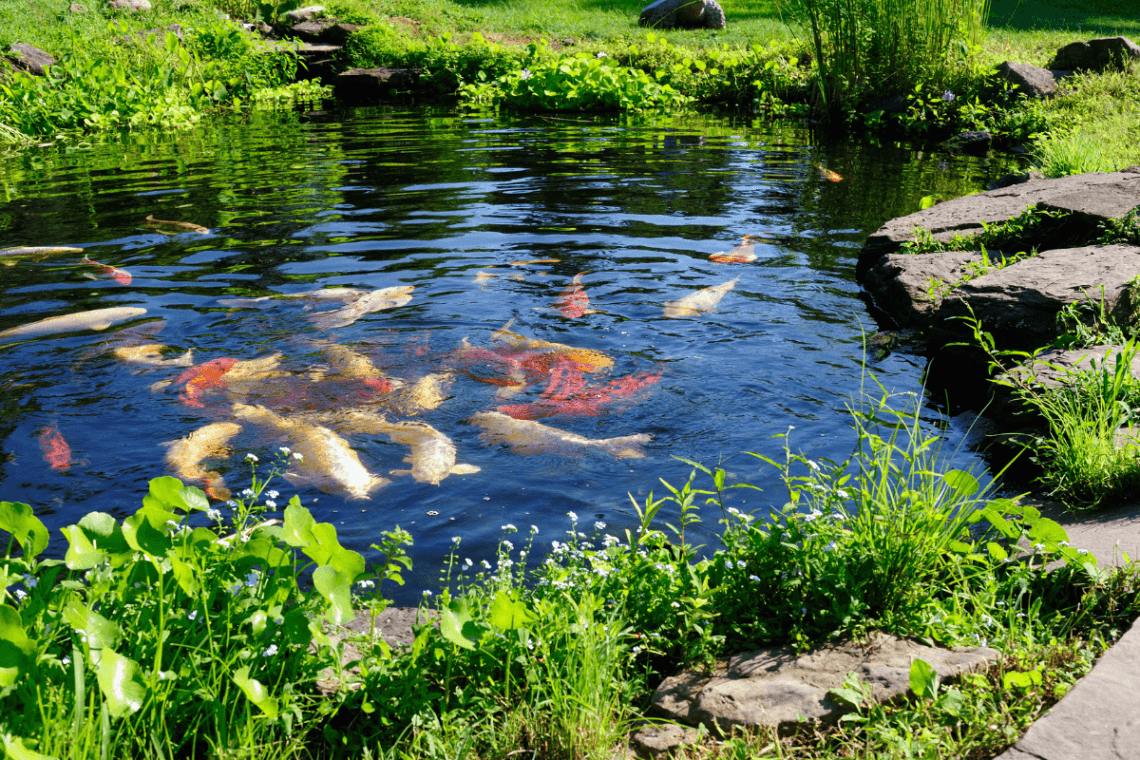
Before diving into the maintenance of your wildlife pond, it’s crucial to assess its current condition. Focusing on water quality, the presence of invasive species, and the health of resident flora and fauna will guide your subsequent cleaning steps.
Evaluating Water Quality: Examine the water in your pond for signs of poor quality, such as excessive algae growth, which could indicate a nutrient imbalance. You can use a pond test kit to check levels of ammonia, nitrite, nitrates, phosphates, oxygen and pH, which are key indicators of a healthy aquatic environment.
Checking for Invasive Species: It’s important to identify any invasive species of plants or animals. They can outcompete native species and upset the ecological balance. If you spot unfamiliar plants or aggressive animal species, determine the best course of action to remove them safely.
Assessing Plant and Animal Health: Inspect the plants around your pond, noting any that appear diseased or unhealthy. Similarly, observe the amphibians, insects, fish, and birds that frequent your pond. Healthy populations are indicative of a well-balanced wildlife pond, while any signs of distress could point to underlying issues.
2. Planning Your Cleaning Approach
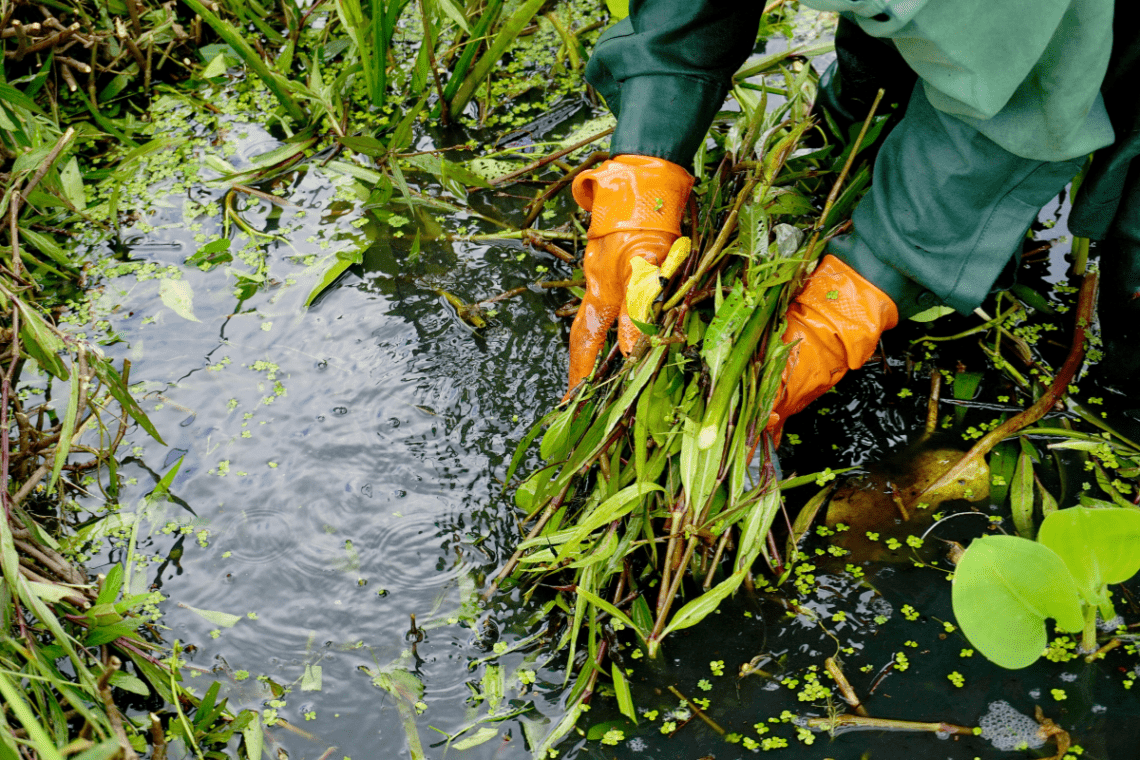
Before diving into the task of cleaning your wildlife pond, it’s crucial to plan effectively. By determining the optimal season for cleaning, identifying the right equipment, and creating a robust pond maintenance schedule, you ensure the health of your garden pond and its inhabitants.
Determining the Best Season for Cleaning
Late Autumn/Early Winter – Late Winter/Early Spring typically marks the ideal time to clean wildlife ponds. It’s the season when aquatic life is less active, minimising disturbance to the ecosystem.
Autumn can also be suitable for removing fallen leaves and debris, but be cautious as many species are preparing for winter. It’s wise to avoid major cleaning during summer and winter, when wildlife is most active, and conditions are less favourable due to growth and hibernation periods, respectively.
Identifying Suitable Equipment
For effective cleaning, you’ll need a few key pieces of equipment. These include:
- A pond net: Essential for skimming debris off the water’s surface and gentle on wildlife.
- A pond skimmer: Can capture floating waste before it sinks, especially in deeper areas.
- A pond vacuum: This can be used for more thorough cleaning to remove sludge from the bottom, but should only be used sparingly to preserve the natural balance of the pond.
Creating a Maintenance Schedule
Keep your pond in top condition with a regular maintenance schedule. Bi-weekly checks during active months will suffice for skimming and visual inspection. Quarterly deep cleans are recommended, preferably during the milder seasons of spring and autumn.
Adjust your schedule according to the pond’s condition, local climate variations and the specific needs of pond inhabitants. Maintain a record to track the cleaning routine; this helps in ensuring the ecosystem’s health and provides insights for future maintenance.
3. Starting the Cleaning Process
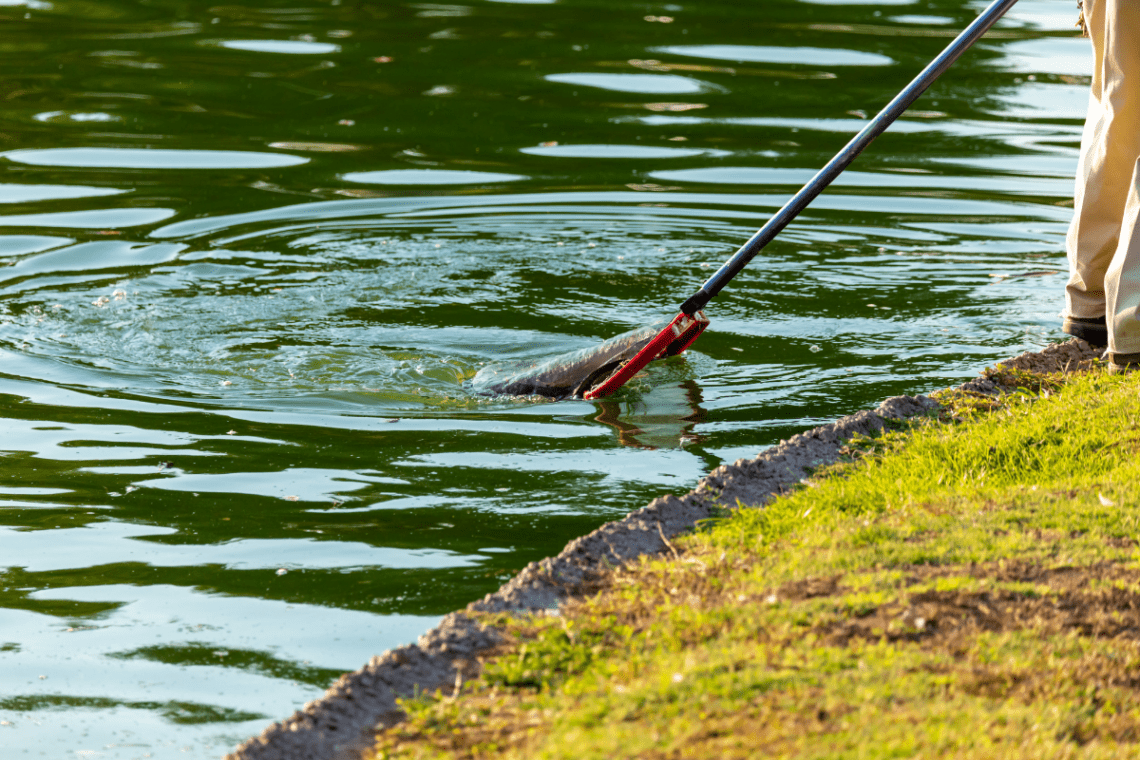
Revitalising your wildlife pond begins with a thorough clean that addresses overgrowth and water quality. By tackling algal blooms, debris, and plant life, you can maintain a healthy environment for pond dwellers.
Step 1: Removing Algae and Debris
Your initial step should involve systematically removing algae and debris. Algae can grow rapidly, leading to oxygen depletion. Use a pond rake (not in a lined pond) or net to gently clear the pond surface of floating algae and debris. Be careful not to disturb any wildlife or disrupt the pond bed.
For submerged algae and residue, consider using an algae brush and a pond vacuum which can remove waste without causing too much disturbance. It’s essential to dispose of the collected algae and organic matter responsibly, away from the pond to prevent nutrients from leeching back into the water.
Step 2: Pruning and Managing Pond Plants
Pond plants are vital for creating a balanced ecosystem but can become overgrown. Prune dead or fading foliage to prevent decay, which can fuel further algae growth. Aim to maintain a diverse range of plant species that includes submerged, marginal, and floating vegetation to provide habitats and clean the water naturally.
Regularly prune to ensure that at least half of the pond’s surface remains clear. This will allow plenty of sunlight penetration and encourage gas exchange, crucial for the health of your pond.
Step 3: Controlling Water Levels and Quality
Maintaining proper water levels and quality is essential for your wildlife pond’s ecosystem. Top up your pond with tap water cautiously, as it can introduce chemicals like chlorine and alter the water hardness. Use a water conditioner when adding tap water to neutralise harmful substances.
Monitor your pond’s water level, especially during dry weather, to ensure that it remains consistent. Subtle changes in depth can affect submerged plant life and the overall health of the pond. Regular testing of the water quality can alert you to imbalances early on, allowing you to take corrective actions swiftly. Water levels of wildlife garden ponds will naturally fluctuate, it’s just about paying attention.
4. Caring for Pond Wildlife
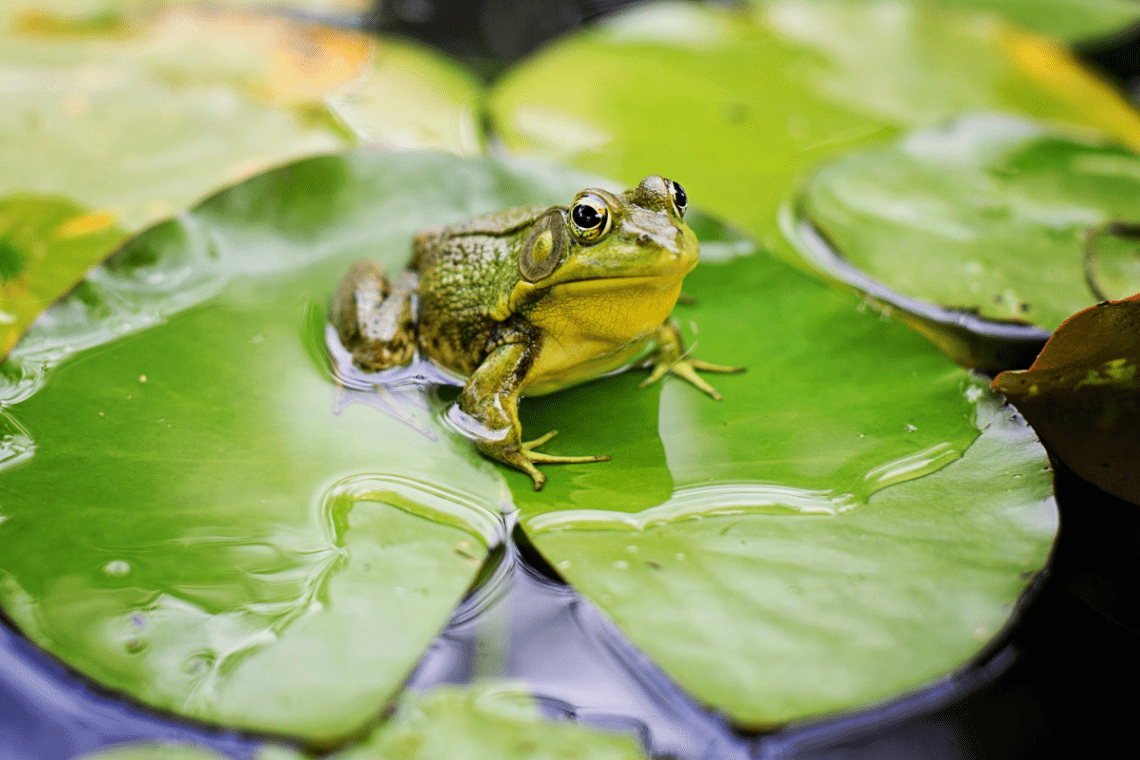
When maintaining a good wildlife pond, your aim is to minimise disruption to the existing ecosystems while enhancing conditions that favour the growth and breeding of various species, from amphibians to dragonflies.
Minimising Disturbance to Habitats
To protect the delicate balance of your wildlife pond, you must approach maintenance activities with care. Fish, frogs, and other amphibians rely on stable environments, so when you clear vegetation or silt, do so gradually and outside of breeding seasons.
As we mentioned before, periods of inactivity in spring or autumn might be the least disruptive times. Ensure you retain sections for cover as birds, bats, and other creatures use these as hunting grounds for feeding on insects like dragonflies. These are all crucial ways to protect your fish from predators.
Facilitating Breeding and Growth
Encouraging the successful breeding of pond inhabitants requires attention to the various life stages of your wildlife. Create varied depths within your pond to accommodate different species.
You should have shallow pond areas for frogspawn, beetle larvae, and pond skaters, and deeper zones for fish. Additionally, you should make a steep pond edge, to attract wildlife to explore the pond.
Provide plenty of native pond plants, which are essential for egg-laying and as a habitat for young amphibians and insects. Structures like logs or rocks can be beneficial for reptiles that may visit to bask in the sun.
Additionally, consider installing a small pond side pile of logs or rocks. This can act as a safe place where amphibians and insects can overwinter safely.
5. Maintaining Pond Vegetation
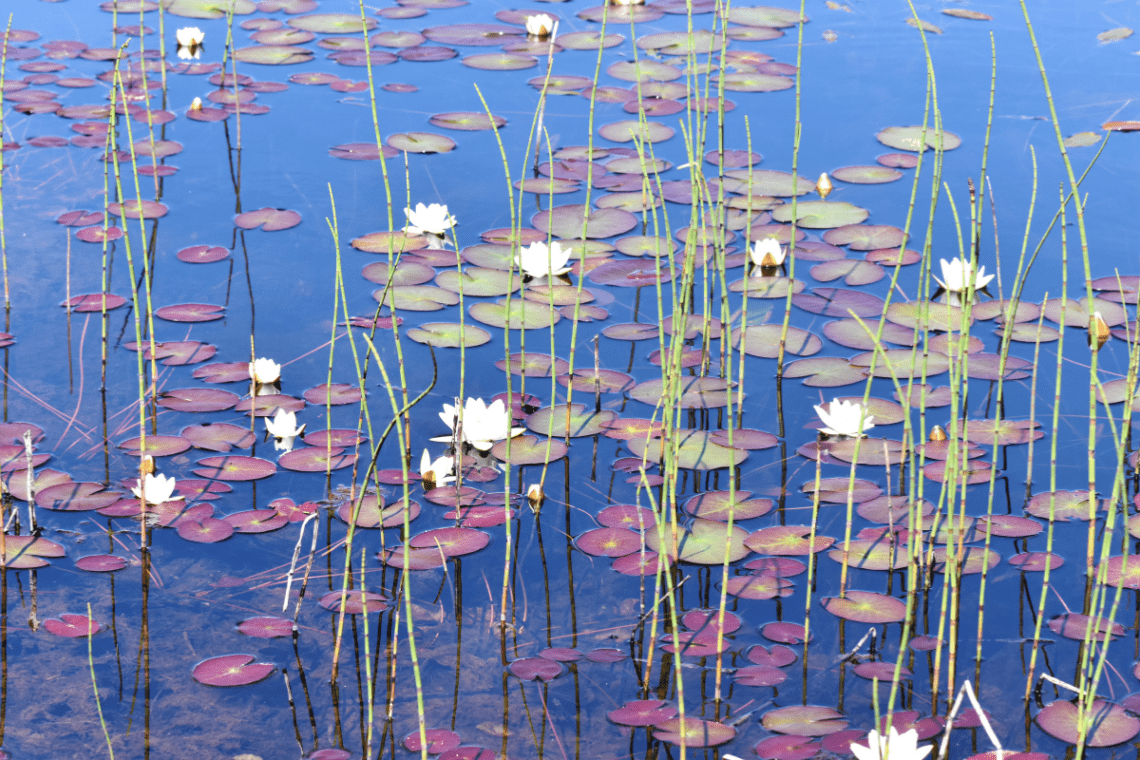
Healthy plant life is essential for maintaining a balanced wildlife pond, providing shelter, breeding areas, and natural water filtration. Managing growth carefully ensures plants support wildlife without overwhelming the pond.
Maintain marginal plants thoughtfully: Marginal plants provide vital habitats for frogs, dragonflies, and other wildlife, but should be pruned regularly to prevent overcrowding. Aim to keep around half of the pond’s edge clear to allow easy access for animals.
Control aquatic and oxygenating plants: Submerged plants help oxygenate the water but can grow quickly if left unchecked. Thin these plants regularly and ensure oxygenators cover no more than one-third of the pond’s surface to maintain a healthy balance.
Prioritise native and flowering species: Native plants support local wildlife and help stabilise the pond ecosystem, while flowering plants attract pollinating insects that benefit the wider garden.
Use floating and emergent plants strategically: Floating plants provide shade and resting places for small creatures, while emergent plants support insect life cycles by allowing larvae to develop and exit the water safely. Plant according to depth and seasonal needs: Position plants at suitable depths, with deeper areas for species like water lilies and shallower margins for plants such as irises. Review and adjust plant balance each season to keep the pond thriving.
6. Improving Pond Ecosystem Health
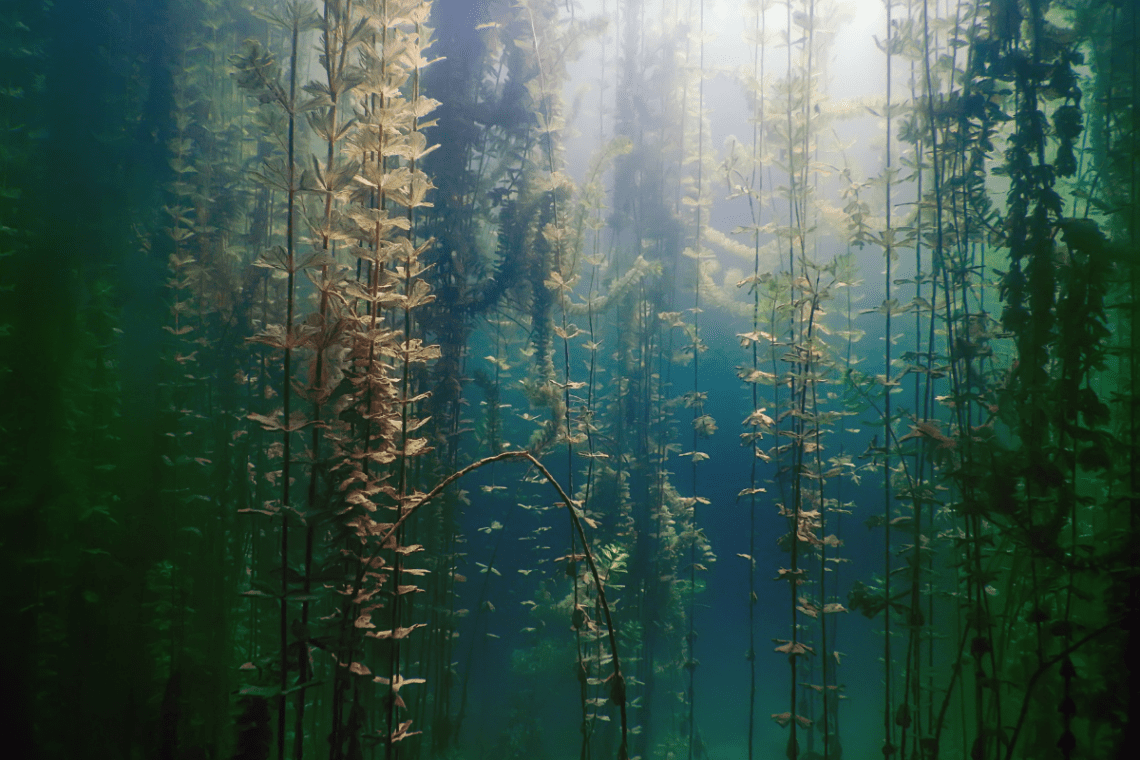
Maintaining a balanced ecosystem is critical for your pond’s health. This balance hinges on healthy oxygen levels and beneficial bacterial populations. Implementing certain measures can enhance these components, contributing to a clear and vibrant pond environment.
Increase oxygen levels: Oxygen supports aquatic life, aids natural decomposition, and prevents harmful build-up. Water movement from fountains, waterfalls, or aerators improves gas exchange and distributes oxygen evenly throughout the pond’s ecosystem.
Use water features thoughtfully: Fountains and waterfalls can enhance oxygenation while adding visual interest. Position them carefully to maximise viewing enjoyment without disturbing wildlife habitats or access points.
Manage oxygenating plants: Oxygenating plants release oxygen during the day but should be thinned regularly. Excessive growth can reduce oxygen levels at night, so maintaining balance is essential.
Support beneficial bacteria: Beneficial bacteria break down organic matter such as leaves, fish waste, and uneaten food. Biologically active pond supplements can help introduce and sustain these microorganisms, improving overall water quality.
Ensure adequate aeration: Aeration creates ideal conditions for beneficial bacteria to thrive. Combining mechanical aeration with natural planting methods helps maintain a healthy biological balance.
Manage trees and shade around the pond: Surrounding trees influence light levels and water temperature in natural ponds. Trim overhanging branches selectively to maintain a mix of sun and shade that supports plant growth and wildlife diversity.
Protect Great Crested Newts: Great Crested Newts are legally protected in the UK. When maintaining ponds where they may be present, remove vegetation carefully, ensure sheltered breeding areas, and consider professional surveys or licensing where required.
Support breeding during key seasons: Adding suitable aquatic plants during the breeding season helps protect eggs and larvae. Providing sheltered areas encourages safe breeding and resting spaces for amphibians.
7. Future-Proofing the Pond
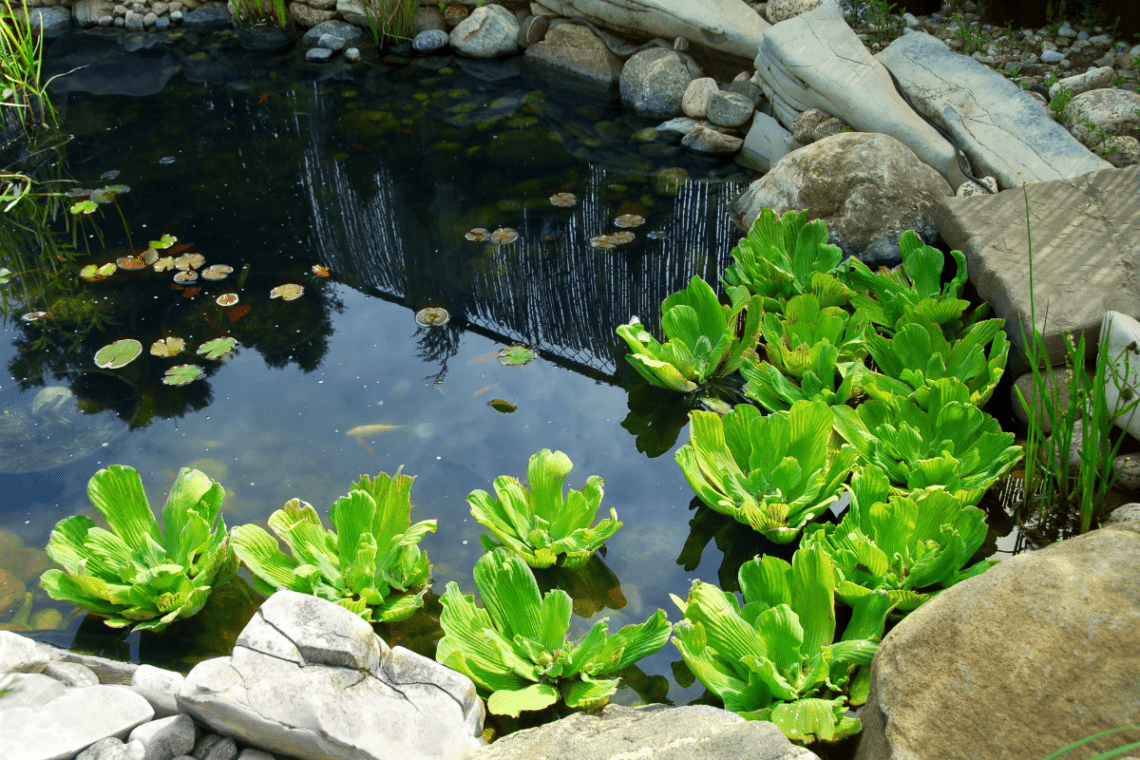
Ensuring the longevity of your wildlife pond requires proactive and adaptable management strategies. This approach not only maintains a healthy ecosystem but also controls the effects of seasonal changes and climate variations.
Implementing Seasonal Care Routines
- Spring: Cut back excessive growth to prevent decay and oxygen depletion and monitor water levels.
- Summer: Regularly maintain aquatic plant health as well as checking for and managing algae, as warmer temperatures can lead to excessive algae.
- Autumn: Clear falling leaves and thin out plants, if necessary, to avoid nutrient loading and siltation, which can otherwise foster unwanted algae growth.
- Winter: Monitor for ice and snow build-up and prevent the pond from freezing over entirely. This allows gas exchange that is vital for fish and overwintering wildlife.
Adapting for Climate Changes
Climate change can lead to more extreme weather conditions, affecting your pond’s ecosystem. In periods of increased rainfall, ensuring proper overflow mechanisms can prevent flooding and dilution of pond water, which can impact the habitat.
Conversely, during times of drought or extreme heat, maintaining water levels becomes a priority to prevent the pond from drying out. Using native plants around the pond margins can provide shade and reduce water temperature, aiding in the stability of the ecosystem despite fluctuating weather patterns.
By adopting these focused pond maintenance actions and adapting to shifting climates, you can create a resilient habitat for wildlife in your garden pond.
Pond Maintenance Packages – Let Us Do the Hard Work
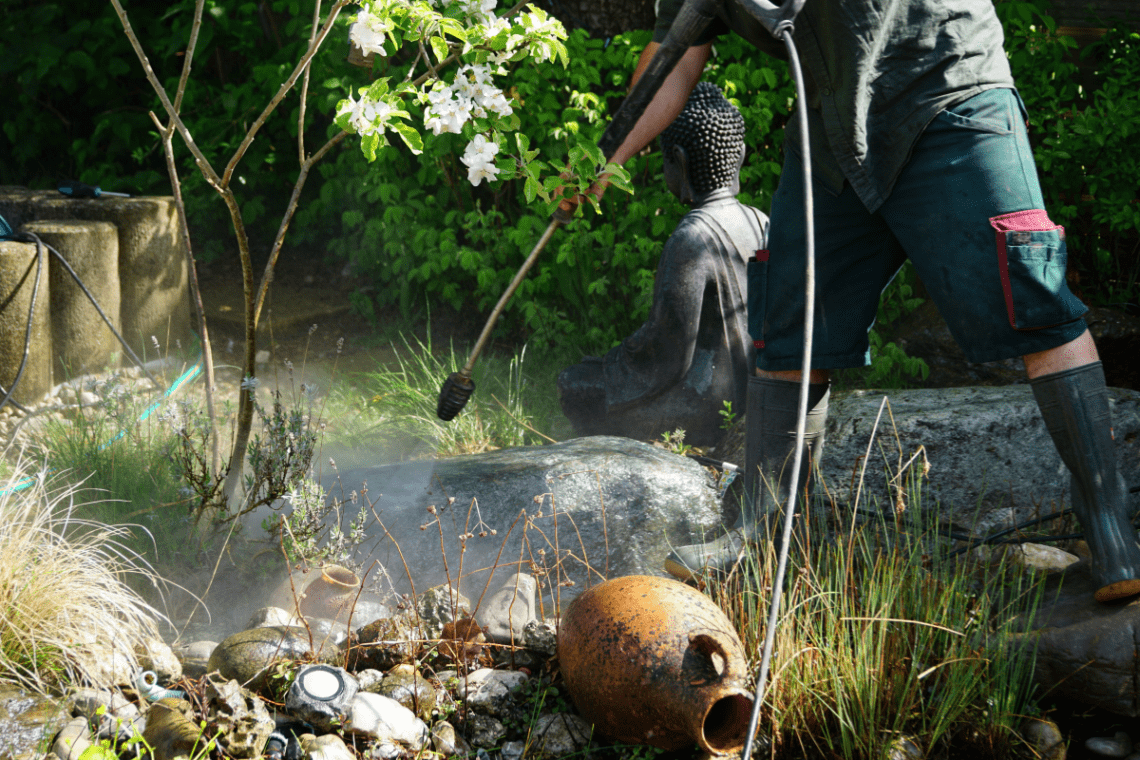
Maintaining a wildlife pond is a delicate task, requiring specific expertise and regular attention. At Ponds by Michael Wheat, we understand this intricate balance and offer comprehensive pond maintenance packages, tailored to suit various needs and preferences.
Our services are designed to ensure your pond remains a thriving habitat for wildlife while also maintaining its aesthetic appeal. We provide three main packages: Platinum, Gold, and Silver, each offering different levels of care and frequency of visits, ensuring there’s an option that fits your specific requirements. Choose the package that best suits your needs, and let us take care of the hard work.
Support When You Need It
All our packages include Monday to Friday helpline support and emergency call-outs for equipment issues, ensuring that you have expert assistance whenever needed. Our dedicated team, celebrated for their meticulous attention to detail and exceptional customer service, is committed to keeping your wildlife pond in pristine condition throughout the year.
We specialise in maintaining lined ponds and do not offer services for clay or natural ponds. If you have a leaking butyl liner, we provide full pond renovations including a new liner
Final Thoughts on Cleaning Wildlife Ponds
A healthy wildlife pond doesn’t need constant control. It needs understanding, timing and restraint.
If you observe first, act carefully, and work with seasonal changes rather than against them, your pond will stay balanced, resilient, and full of life, supporting insects, amphibians, birds and other species for years to come.
And if you’re ever unsure, asking before acting usually prevents far bigger problems later. A quick conversation or professional check can often save you unnecessary work, protect wildlife, and keep your pond heading in the right direction. At Ponds by Michael Wheat, we design, build, and maintain all kinds of stunning aquatic spaces.
Contact our team of experts today for personalised guidance or any queries you may have.
Frequently Asked Questions About Cleaning a Wildlife Pond
How often should I clean a wildlife pond?
Much less often than most people expect. Wildlife ponds don’t need regular deep cleaning. Instead, they benefit from light, seasonal maintenance, removing fallen leaves, thinning excessive plant growth, and occasionally lifting small amounts of sludge. Over-cleaning strips out beneficial bacteria and disrupts pond life, often creating more problems than it solves.
Is green or cloudy pond water a problem?
Not always. Wildlife ponds naturally go through murky or green phases, particularly in spring and early summer when algae respond to rising light levels and water temperature. What matters more than clarity is activity. If insects, amphibians, and birds are present, the pond is usually healthy even if the water isn’t perfectly clear.
Should I remove all the sludge from the bottom of my pond?
No. A thin layer of sediment is normal and supports insects, bacteria, and overwintering wildlife. Sludge only becomes an issue when it builds up excessively and starts to reduce oxygen levels. If removal is needed, take out small amounts only, ideally in autumn or early spring, and never strip the pond completely.
Can I clean a wildlife pond in summer?
It’s best avoided unless there’s a genuine issue. Summer is peak breeding and feeding season for most pond wildlife, and heavy disturbance can cause lasting harm. If something does need attention, keep it minimal, light skimming or removing obvious debris, and leave more thorough work for cooler months.