If you’re wondering how to clear green pond water fast, you’re not alone. Pea-soup water can appear almost overnight and suddenly hide your fish, plants and pond floor. The goal is to get back to clear water without nuking the pond with random treatments or harming anything that lives in it. Once you understand what’s actually causing that green tint (usually free-floating algae), you can fix it quickly by improving circulation, filtering out the algae, and cutting down the light and nutrients that feed it.
In this guide, we’ll walk through how green water starts, what works quickest to remove it, and when natural methods are enough. You’ll also learn how to stop it from coming back so your pond stays clear and healthy, not just for a few days, but long-term.
Why Is My Pond Water Green?
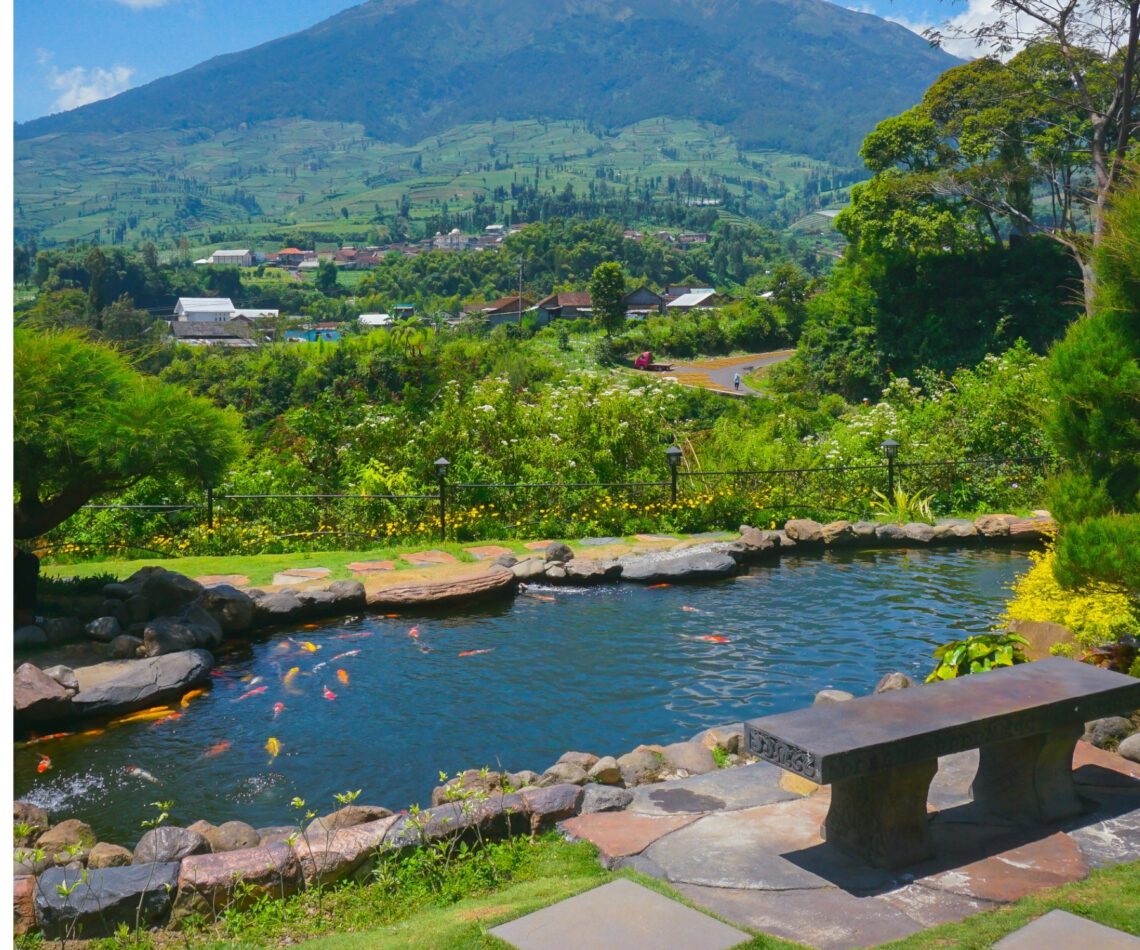
Green pond water is almost always a free-floating algae bloom fueled by a simple mix: lots of light, a steady nutrient supply (especially phosphate and nitrogen), and not enough filtration/plant uptake to keep pace. When those inputs spike, your pond can flip from clear to pea soup in days.
Here’s the science bit that matters: fish waste, uneaten food and decaying leaves break down into ammonia, which is the first step of the nitrogen cycle. Beneficial bacteria then convert ammonia into nitrite which becomes nitrate (less harmful, and a plant fertiliser). Those bacteria don’t “float around” much, but they colonise surfaces, which is why gravel, rocks and filter media are so important: they provide huge surface area for bacterial colonies to live and work.
The problem is, algae also loves the same inputs. Nitrate plus phosphate plus sunlight is basically an algae buffet. Too much phosphorus (phosphate) is a well-known driver of excess algae growth, and big blooms can lead to low oxygen and poor water quality.
Common triggers:
- Direct sun for long hours (especially in shallow water) and warm weather
Nutrient build-up from fish waste, uneaten food, rotting leaves, sludge, or fertiliser runoff - Filters that are clogged or undersized, so waste stays in the water longer
Not enough aquatic plants, so nothing competes with algae for nutrients or shades the surface
pH matters too. As pH rises, a larger share of “total ammonia” shifts into the more toxic NH3 form, which increases stress on fish, and stressed ponds tend to spiral faster.
It’s not just cosmetic: dense algae blocks light, weakens submerged plants and can drag oxygen down at night. Fish may start gasping near the surface, and when algae dies back it releases nutrients again, making the next bloom easier if the root cause (light + nutrients + filtration balance) isn’t fixed. For more information on this process, check out a vlog by Michael Wheat below:
How to Clear Green Pond Water Fast: 7 Tried and Tested Methods
To clear green pond water fast, you need to hit free-floating algae hard and then pull it out of the system. The quickest results come from combining a correctly sized UV clarifier with solid mechanical/biological filtration, and only using chemical treatments where needed to support that setup, not replace it.
Natural techniques focus on starving algae rather than just zapping it by cutting light, lowering excess nutrients and improving water movement so the pond can rebalance itself. The fastest, most stable results come from combining these basics with a correctly sized UV clarifier and solid mechanical/biological filtration, using chemicals only as a short-term backup, not the main act.
1. Using Algaecide Safely
An algaecide can clear green water quickly by killing the suspended algae, but it has to be used carefully. Always choose a product designed for ponds with fish and plants, and dose it based on your actual pond volume as overdosing can crash oxygen levels and stress or kill fish.
Key safety steps:
- Remove dead leaves and sludge before treatment
- Increase aeration while the algaecide is working
- Treat only part of the pond at a time if the algae is very heavy
Used properly, algaecide can clear green water in a few days, but it doesn’t remove the underlying nutrients, so if you rely on it alone, the algae will simply come back.
2. Installing a UV Clarifier
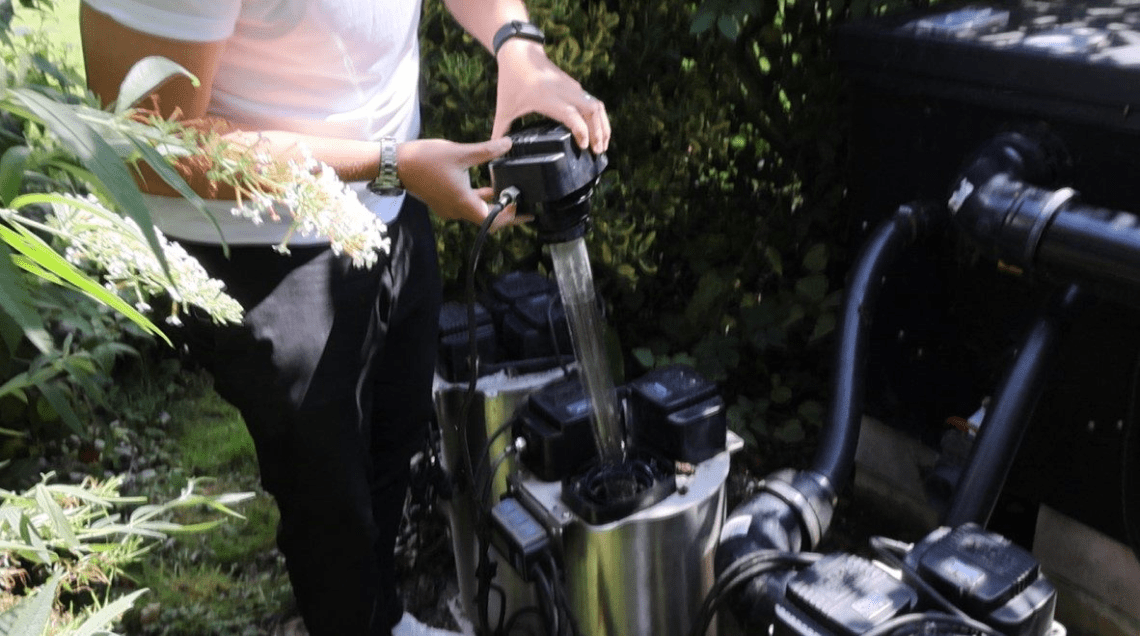
A UV clarifier clears green pond water by damaging free-floating algae as water passes through the unit; the algae then clump together and are caught by your filter. To work properly, the UV must be sized for your pond volume and pump flow. If it’s too small, it won’t clear the water quickly.
What matters most:
- Continuous pump operation so all water passes the UV regularly
- A clean quartz sleeve so the light can reach the water
- Annual bulb replacement to keep the unit effective
Most ponds start to clear within 3-7 days. A UV clarifier controls algae without chemicals and is one of the best tools for long-term clarity. Check out our blog on How to Test Pond Water for more tips.
3. Rapid Filtration and Skimming
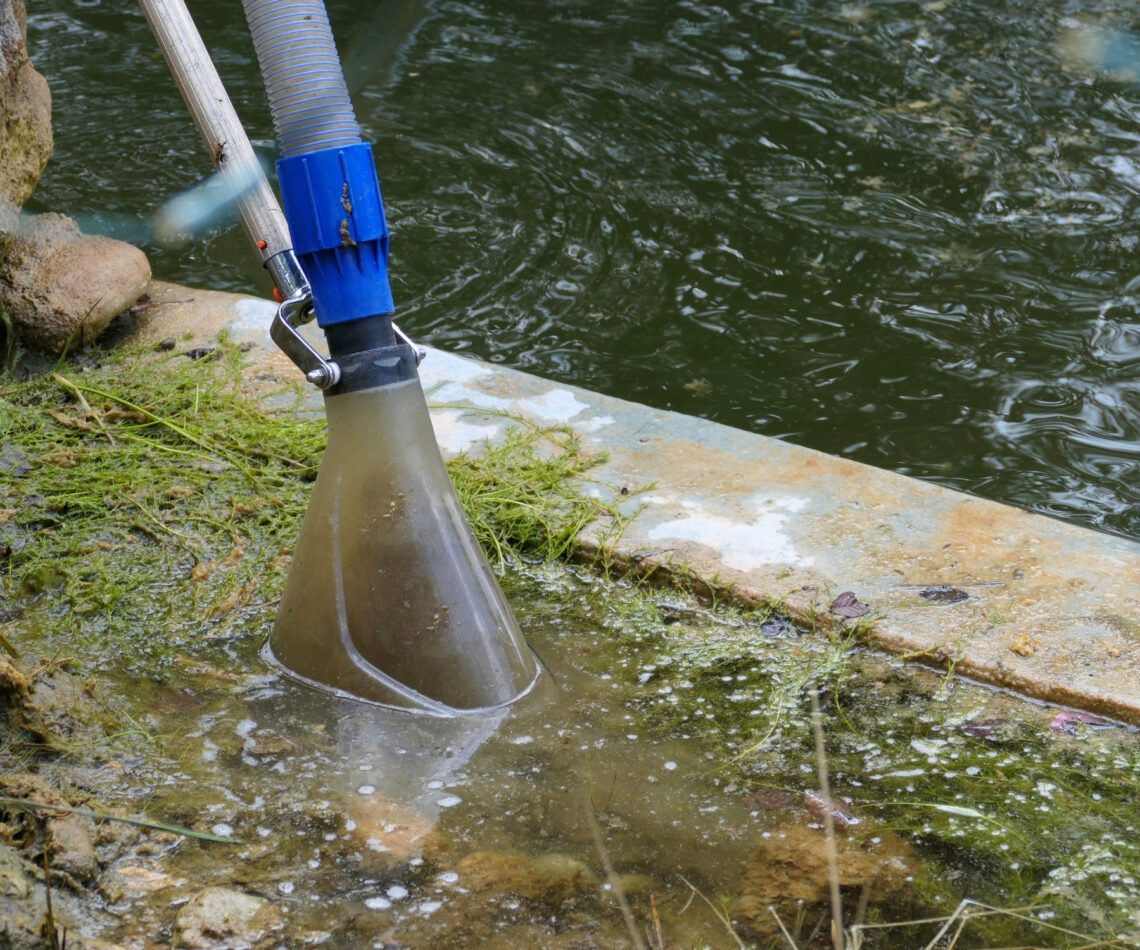
Strong circulation helps strip green water out of the system by moving dead or clumped algae into the filter, where a correctly sized unit can trap particles before they break down again. Surface skimming pulls off pollen, debris and floating algae that all feed future blooms, while a pond vacuum lets you lift sludge from the bottom, one of the biggest hidden nutrient sources.
Fast filtration actions:
- Rinse filter media in pond water (not tap water)
- Empty and clean skimmer baskets daily in a bad bloom
- Vacuum small sections at a time to avoid stirring up too much silt
4. Adding Aquatic Plants for Shade
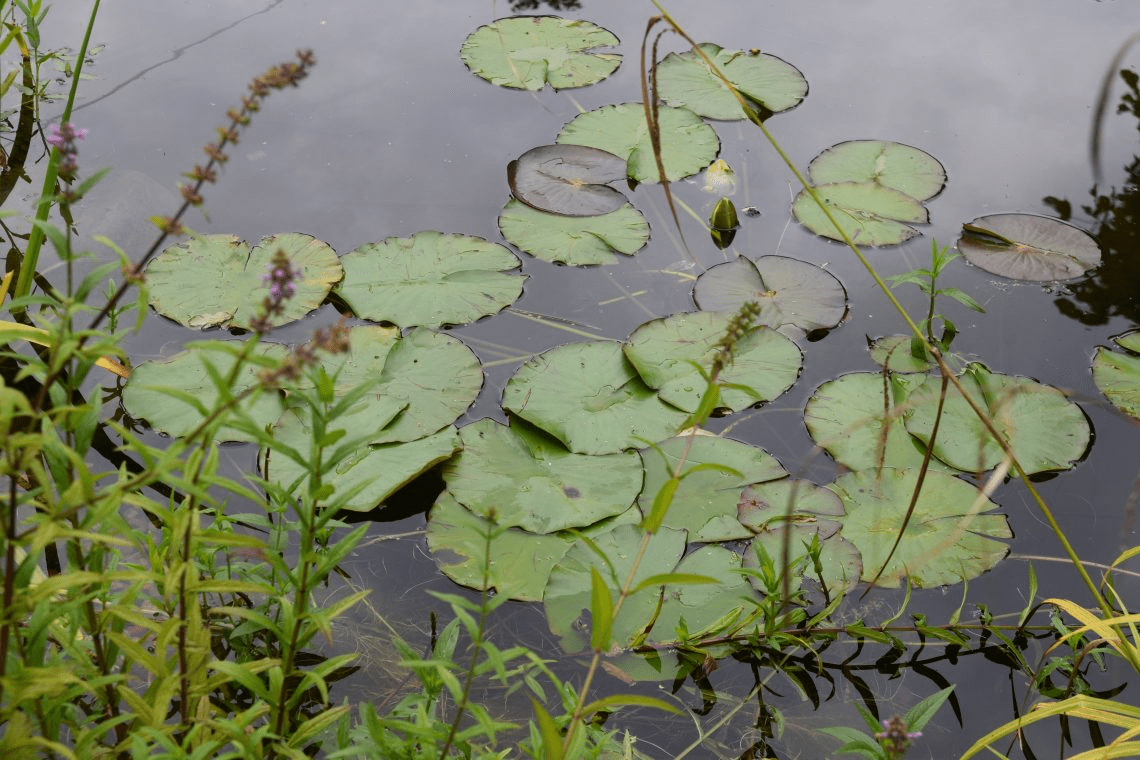
Pond plants clear green water by blocking excess sunlight and soaking up the nutrients algae feed on. Aim for roughly 50–60% surface cover with plants like water lilies to add shade and keep the water cooler, backed up by submerged species such as hornwort to absorb nutrients and release oxygen. Plant in baskets for easier control, and remove dying leaves regularly so they don’t rot and dump nutrients straight back into the pond.
5. Applying Barley Straw or Barley Straw Extract
Barley straw helps slow algae growth as it breaks down, releasing natural compounds that limit blooms without resorting to harsh chemicals or harming fish and plants when used correctly.
Pack it into net bags, place them near moving water (like a filter outlet) and replace every 4-6 months, but it’s best as prevention or early treatment, not an instant fix. Barley straw extract works faster and suits smaller ponds or more urgent issues, but you still need to follow dosing instructions carefully to avoid lowering oxygen levels.
6. Introducing Beneficial Bacteria
Beneficial, or good bacteria, improve water clarity by breaking down fish waste, uneaten food and decaying plant matter before algae can use them as fuel. Add them after cleaning filters or doing partial water changes so fresh colonies can establish quickly, and use products designed for fish ponds once water is above about 10°C. Regular, smaller doses (often weekly at first) are more effective than a single large application.
7. Improving Aeration with Pond Pump
Better water movement breaks up stagnant spots where algae thrive and helps keep oxygen levels stable. A well-positioned pond pump should create a gentle flow across the pond, not a whirlpool, so beneficial bacteria and filters can do their job more efficiently while fish stay comfortable. Clean the pump regularly and keep an eye on flow rates as blocked intakes quickly cut performance and slow down how fast your water clears.
Preventing Recurring Green Water Problems
You can stop green water from coming back by controlling nutrients, keeping the pond clean, and maintaining stable water conditions. These steps reduce algae growth and support clear, healthy water over time.
Controlling Overfeeding and Fish Load
Overfeeding is one of the quickest ways to turn clear water green. Extra food sinks, breaks down and dumps nutrients straight into the water for algae to use. Feed once or twice a day, only what fish clear in 2-3 minutes, and net out anything that hits the bottom. As water cools and fish slow down, cut feeding right back or stop altogether.
Fish numbers matter just as much as feeding. Too many fish produce more waste than the pond and filters can handle, so stock lightly and let the system breathe:
| Pond Volume | Suggested Fish Load* |
| 1,000 litres | 1-2 small fish |
| 2,500 litres | 3-5 small fish |
| 5,000 litres | 6-10 small fish |
*Rough guide for small goldfish/pond fish. Koi ponds usually need a very different stocking plan and much stronger filtration.
Keeping both feeding and stocking under control massively reduces excess nutrients and makes green water far less likely.
Routine Pond Maintenance and Cleaning
Regular maintenance is what stops green water before it starts. Skim the surface weekly to remove leaves and debris, and net out fallen leaves quickly in autumn so they don’t sink and rot. Trim back dying plant growth and take it out of the pond rather than letting it decay in the water.
Clean filters as the manufacturer recommends, rinsing sponges and media in pond water (not tap water) so you don’t kill off the beneficial bacteria that break down waste and support clear water. If your pond allows, small partial water changes, around 10-20% every few weeks with dechlorinated water, can also help dilute excess nutrients.
Managing Water Chemistry and Oxygen Levels
Stable water chemistry makes life hard for algae. Test the pond every few weeks in warm weather, focusing on ammonia, nitrite, nitrate and pH – high nitrate usually means you’ve got too many nutrients in the system. Tackle that by improving filtration, adding more plants and cutting fish waste (stocking and feeding), and aim for a pH in the 6.5-8.0 range for most ponds.
Oxygen is just as important. Low dissolved oxygen slows beneficial bacteria and gives algae an easier ride, so keep water moving with an air pump, fountain or waterfall. Good circulation spreads oxygen around the pond and stops stagnant pockets where problems start.
Maintaining a Healthy Pond Ecosystem
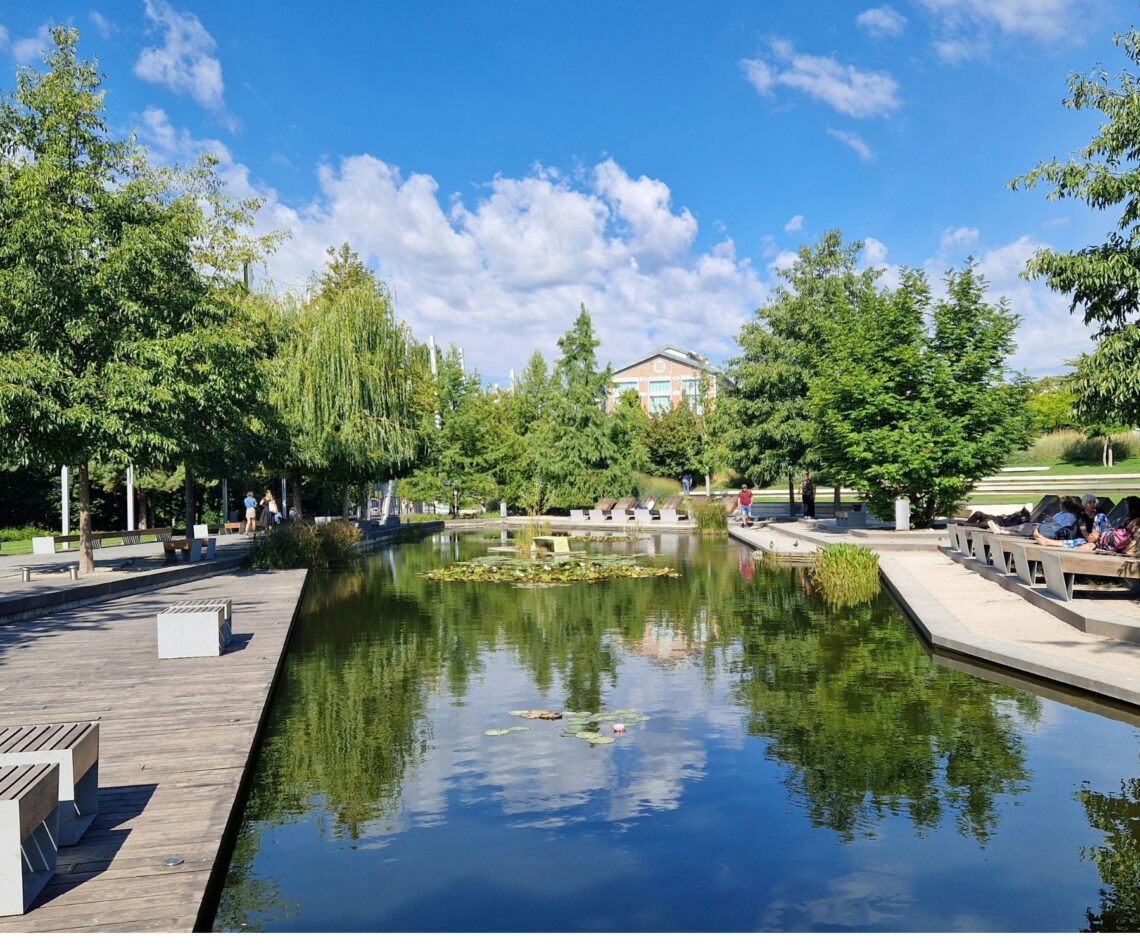
A healthy pond isn’t about one magic product, it’s about keeping the whole system in balance over time. Before you reach for another quick fix, it’s worth looking at how plants, fish, filtration and day-to-day care all work together to keep your pond clear and under control.
- Think balance, not quick fixes: A healthy pond stays clear because nutrient levels, water circulation and life (fish, bacteria, pond plants) are in balance, not because you zapped a green water issue once.
- Plants are your built-in filter: Aim for 50-60% surface cover with lilies, marginal plants and floaters like water hyacinths. They shade out green algae, reduce direct sunlight and absorb nutrients before single celled algae can use them.
- Fish and feeding: Stock lightly for your garden pond and avoid too much fish food as uneaten fish food is pure fertilizer. Feed once a day, only what’s gone in a couple of minutes to keep nutrient buildup low.
- Filtration, UV and flow: Use a filter rated for a pond bigger than yours and clean it according to the manufacturer’s instructions, rinsing media in pond water. Good water circulation and aeration keep oxygen high and water quality stable; an ultraviolet clarifier (UV light) can help remove algae and keep pond water clear without wrecking a balanced ecosystem.
- Regular maintenance and testing: Skim debris, remove sludge and add beneficial bacteria in warm water temperatures to support a healthy pond ecosystem. Test water regularly for nitrate and phosphate levels; adjust planting, filtration or feeding if they creep up so your pond stays clear and healthy long term.
Final Thoughts
Green pond water looks dramatic, but it’s rarely a disaster if you tackle it methodically instead of throwing random products at the problem. Hit the free-floating algae quickly, then tighten up the basics like feeding, filtration, planting and flow, so the water stays clear rather than yo-yoing between crystal and cloudy.
If you’d rather skip the trial and error, the team at Ponds by Michael Wheat can help diagnose what’s really driving your green water issue and design a filtration and planting setup that keeps your pond clear, healthy and easy to live with long term.
Frequently Asked Questions
What’s the fastest way to cut green algae in my pond?
The quickest results come from a combo approach: skim off as much visible algae as you can, then use a pond-safe algaecide or a correctly sized UV clarifier while your pump and filters are running clean and strong.
Will adding pond plants clear green water quickly?
Aquatic plants won’t fix green water overnight, but they absolutely help. They soak up the same nutrients green algae feed on, and, in the case of lilies and floaters, they shade the surface so less light hits the water. You’ll still need filtration or treatment for a fast reset, but good planting is what stops the green water issue from bouncing straight back. See our guide on What Not to Put in Your Fish Pond. Relying solely on plants for filtration will not make the water safe as well.
Is UV filtration a good option for clearing green pond water fast?
Yes. For classic green water caused by free-floating, single-celled algae, a properly sized UV (ultraviolet) clarifier is one of the best tools you’ve got. You’ll often see a big improvement in 3-7 days, as the algae are clumped by the uv light and then trapped in the filters. Just make sure the unit matches your pond volume, the quartz sleeve is clean and the bulb is changed on schedule.
How do I stop green water from coming back after I’ve cleared it?
Think prevention: feed less so there isn’t too much fish food breaking down, keep on top of leaves and sludge, clean filters as part of regular maintenance, and boost good bacteria and pond plants so they use up nutrients before algae do. Test water regularly for nitrate and phosphate, keep circulation strong and deal with any spikes early.