Choosing the best pond plants can make a significant difference in the health and beauty of your garden water feature. The right plants will not only enhance the aesthetic of your pond but also contribute to its ecosystem by providing oxygen, shade, and habitat for wildlife.
In this blog post, we’ll explore the different types of ponds – swimming, fish, Koi, and wildlife – and the best pond plants to have in each one.
Let’s start with the crème de la crème of ponds:
Natural Swimming Ponds
Natural swimming ponds perfectly blend the beauty of a garden pond with the functionality of a swimming pool. Achieving a well-balanced pond in this setting relies on maintaining harmony between water and plant life.
Aquatic plants help with natural filtration while adding to the pond’s charm. When selecting plants for a swimming pond, it’s important to choose those that can tolerate occasional disturbance from swimmers.
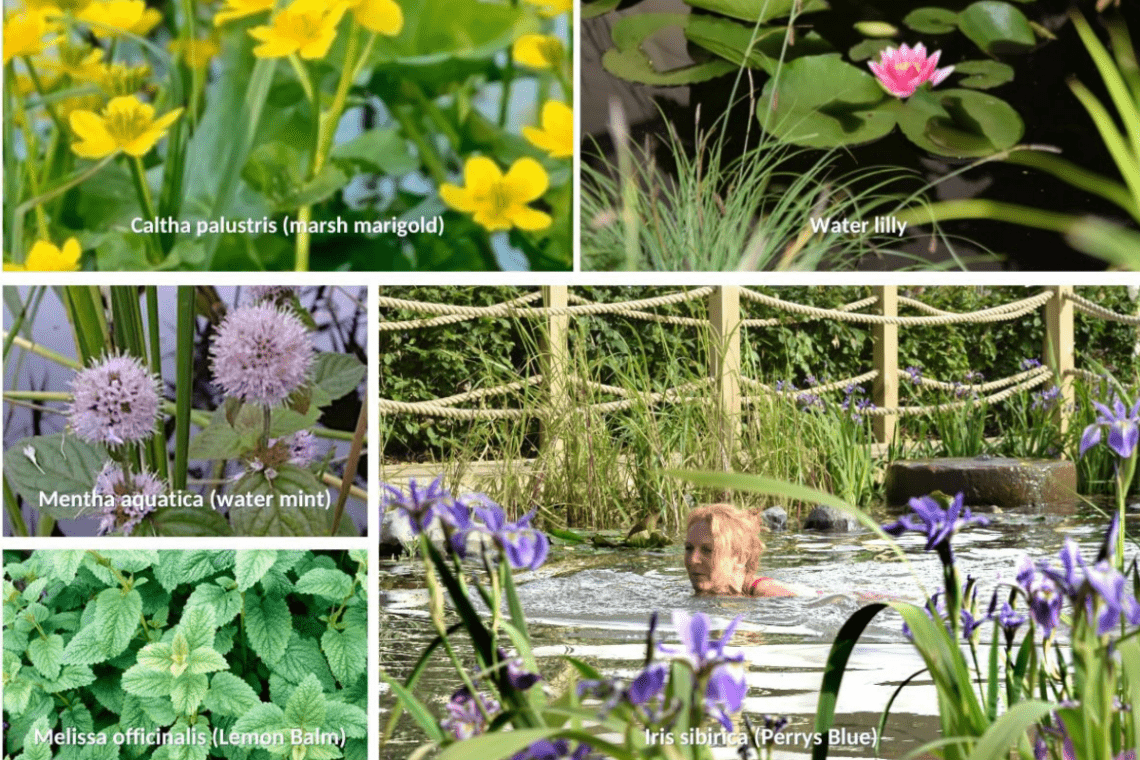
Consider hardy floating pond plants like lily pads, water iris, and water hibiscus. These not only add visual interest but provide essential shade and shelter for aquatic life. To naturally repel pesky bugs, fragrant water mint or lemon balm are excellent additions.
1. Water Lilies (Nymphaea)
Water lilies are a timeless choice for any pond, featuring large, vibrant flowers and broad leaves that float elegantly on the water’s surface. Their beautiful pink, red, yellow, and white flowers provide shade that helps control algae growth by keeping the water cool. Varieties such as the hardy Nymphaea ‘Marliacea Albida’ thrive in natural swimming ponds, adding a touch of elegance year round.
2. Hornwort (Ceratophyllum demersum)
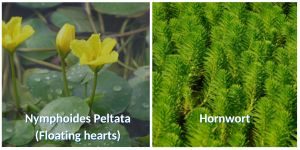
Hornwort is an outstanding submerged plant that oxygenates the water, improving clarity and offering habitat for aquatic creatures. It thrives in various conditions without rooting in soil, making it easy to manage in swimming ponds.
3. Marsh Marigold (Caltha palustris)
Marsh Marigold is ideal for the marginal areas of your pond. Its bright yellow flowers bloom in early spring, bringing a burst of colour after winter. This bog plant thrives in shallow water and boggy spots, such as a bog garden, absorbing excess nutrients and contributing to natural filtration.
4. Water Mint (Mentha aquatica)
Water Mint is a versatile plant that flourishes in shallow water and moist soil. With its pleasant minty aroma and attractive lilac flowers, it oxygenates the water and acts as a natural pest repellent, making it a valuable component of your pond’s ecosystem.
5. Water Forget-Me-Not (Myosotis scorpioides)
Water Forget-Me-Not is a charming plant with small, delicate blue flowers blooming from late spring to early autumn. It thrives along pond edges and shallow water, helping prevent soil erosion. This native plant also supports wildlife by attracting bees and butterflies.
Fish Ponds
If you’re focused on keeping fish, a fish pond offers lively movement and natural insect control.
Choosing the right plants to provide cover for fish is essential. Water lilies, floating hearts, and hornwort are excellent choices, serving as natural oxygenators to maintain clear, healthy water.
1. Water Hyacinth (Eichhornia crassipes)
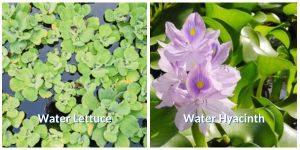
Water Hyacinth is a free floating plant known for its lush green foliage and beautiful lavender-blue flowers. It offers excellent fish cover, providing shade and protection while absorbing excess nutrients to help control algae.
2. Anacharis (Elodea canadensis)
Anacharis, or Canadian Pondweed, is a fast-growing oxygenator. This submerged plant offers hiding spots for fish and promotes clear water by absorbing nutrients. It thrives in various pond conditions and is easy to care for.
3. Water Lettuce (Pistia stratiotes)
Water Lettuce resembles a rosette of light green leaves and floats on the water surface. It helps cool the water, provides shelter for fish, and plays a crucial role in nutrient absorption, aiding in algae control.
4. Pickerel Weed (Pontederia cordata)
Pickerel Weed is perfect for shallow edges of a fishpond. This marginal plant produces striking blue-purple flowers that attract pollinators. It stabilises pond edges and naturally filters water by taking up nutrients.
5. Water Clover (Marsilea quadrifolia)
Water Clover features clover-like leaves floating on the surface. It thrives in shallow waters, forming dense mats that offer excellent fish cover. Additionally, it oxygenates the water, promoting a healthy pond environment.
Koi Ponds
For Koi enthusiasts, a Koi pond is essential. These ponds usually have deeper water and larger filtration systems to meet the fish’s needs.
When selecting plants, choose those that can withstand nibbling by Koi, such as water lettuce and water hyacinth. These plants provide natural food and help maintain clean, clear water.
1. Water Lilies (Nymphaea)
Water Lilies are a favourite choice for koi ponds due to their stunning flowers and broad leaves. They provide much-needed shade, helping to keep the water cool and reducing algae growth.
Varieties such as Nymphaea ‘Attraction’ are particularly popular for their resilience and vibrant blooms. Water lilies also offer Koi fish a place to hide and feel secure.
2. Lotus (Nelumbo nucifera)
Lotus plants are known for their large, exquisite flowers and round floating leaves. They thrive in Koi ponds, offering shade and oxygenating the water. Their extensive root systems filter the water, promoting a clean, healthy environment.
3. Water Lettuce (Pistia stratiotes)
Water Lettuce provides excellent cover and helps maintain water quality by absorbing excess nutrients. It spreads quickly, making it a practical choice for larger Koi ponds.
4. Anacharis (Elodea canadensis)
Anacharis is beneficial in Koi ponds by oxygenating water, offering hiding spots, and maintaining clarity through nutrient absorption. It’s hardy and adapts well to different pond conditions.
5. Parrot’s Feather (Myriophyllum aquaticum)
Parrot’s Feather grows submerged and emergent, with feathery bright green foliage that provides cover and oxygenation. It stabilises pond edges and creates natural barriers, offering Koi additional refuge.
Wildlife Ponds
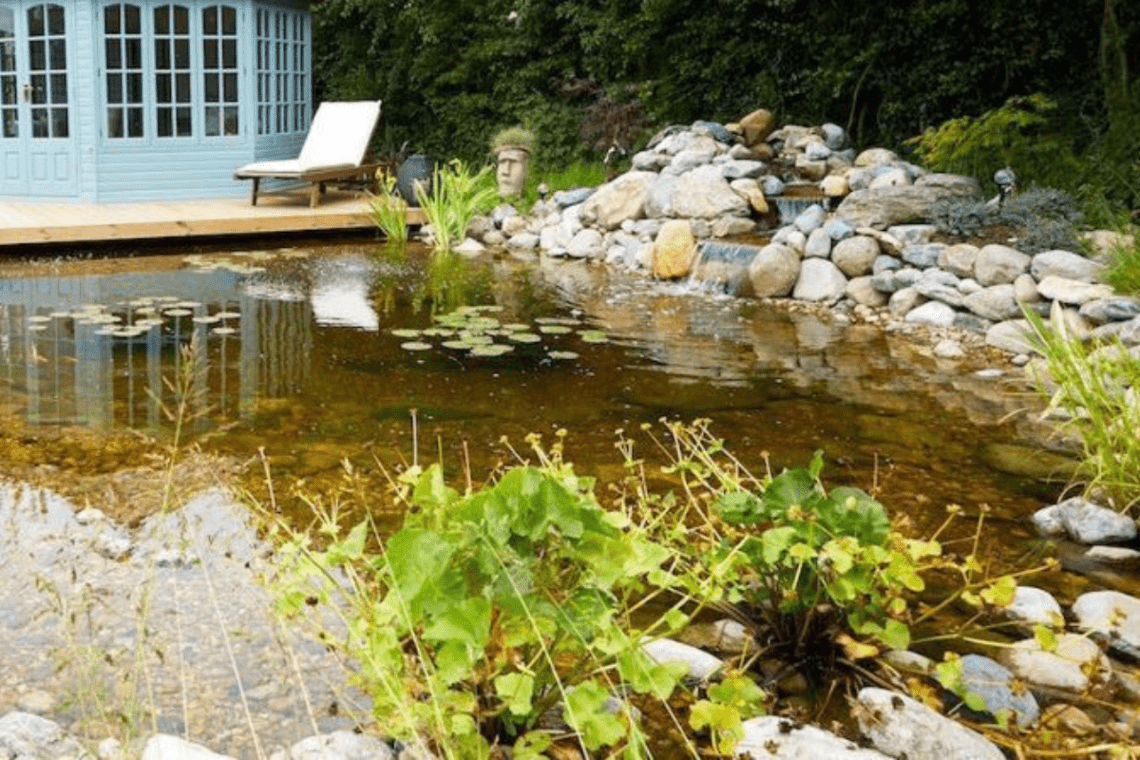
A wildlife pond is ideal for attracting diverse wildlife to your garden. These ponds are usually kept more natural with minimal maintenance.
Choosing a good mix of emergent, submerged, and floating pond plants creates varied habitats for wildlife. Including cattails and water lilies helps establish a thriving ecosystem.
1. Marsh Marigold (Caltha palustris)
Marsh Marigold is a superb choice for wildlife ponds, with bright yellow flowers blooming in early spring. This marginal plant grows well in shallow water and boggy areas, attracting pollinators such as bees and butterflies. Its dense foliage offers shelter for small aquatic creatures, supporting a healthy pond environment.
2. Water Mint (Mentha aquatica)
Water Mint thrives in shallow water and moist soil, making it perfect for pond edges. It attracts pollinators and provides excellent cover for pond inhabitants, contributing to a balanced ecosystem.
3. Frogbit (Hydrocharis morsus-ranae)
Frogbit is a delightful free floating plant with small round leaves and delicate white flowers. It shades the water, helping to keep it cool and reducing algae growth. Its floating mats provide safe havens for frogs and other small creatures, enhancing biodiversity.
4. Broadleaf Pondweed (Potamogeton natans)
Broadleaf Pondweed is a submerged plant with broad oval leaves floating on the surface. It oxygenates the water and offers habitat for aquatic wildlife. This plant helps improve water clarity and serves as food for many pond inhabitants, promoting a healthy ecosystem.
5. Soft Rush (Juncus effusus)
Soft Rush is a sturdy marginal plant with cylindrical stems growing in dense clumps. Ideal for pond edges, it provides cover and nesting sites for birds and amphibians. It also stabilises pond banks and absorbs excess nutrients, helping maintain water quality.
Categories of Pond Plants
Pond plants fall into five main categories: floating pond plants, marginal plants, submerged plants, oxygenating plants, and bog plants. Each plays a unique role in creating a well-balanced pond ecosystem.
- Floating Pond Plants: These rest on the water’s surface, providing shade that helps control algae by limiting sunlight. Examples include water lilies and duckweed. They also reduce evaporation and supply shelter for aquatic life.
- Marginal Plants: Growing in shallow water or along pond edges, marginal plants like flowering rush and cattails stabilise banks and provide habitat for wildlife such as frogs and insects.
- Submerged Plants: Growing entirely underwater, submerged plants absorb nutrients directly from pond water, preventing algae blooms. They offer shelter and oxygenate the water, with hornwort and anacharis being prime examples.
- Oxygenating Plants: A subset of submerged plants, these are especially effective at producing oxygen, which supports fish and aquatic life while keeping water clear. They are low maintenance and essential for a healthy pond.
- Bog Plants: Thriving in wet, poorly drained soil, bog plants like bog bean and flowering rush are often planted around pond edges or in bog gardens. They provide habitat for wildlife and help absorb excess nutrients.
Designing and Building Your Dream Pond
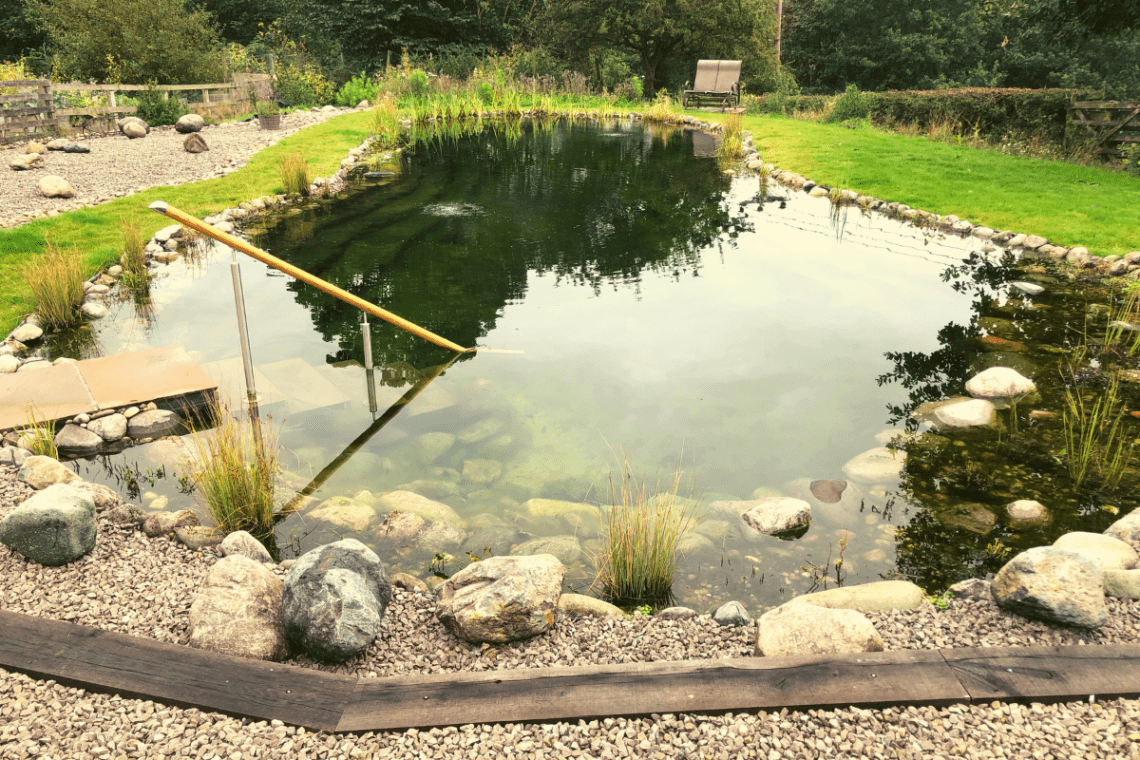
Now that you know the best plants for different pond types, you might wonder how to design and build your dream pond.
The experts at Ponds by Michael Wheat have the knowledge and experience to create a pond perfectly suited to your needs, whether it’s a natural swimming pond or a wildlife pond.
Costs vary depending on size, design, and location, but the benefits of a thriving garden pond are immeasurable. It adds beauty and tranquillity to your outdoor space while supporting important ecosystems.
Ready to get started? Contact us today and take the plunge to transform your garden oasis with a beautiful, flourishing pond.Want to learn more? Listen to Pondcast Series 7, where Tori discusses plants.
Frequently Asked Questions
What are the best pond plants for keeping water clear?
Oxygenating and submerged plants such as hornwort and anacharis are the best for clear water. They absorb excess nutrients, help control algae growth, and improve overall water quality, maintaining a balanced pond ecosystem.
How many plants should I put in my pond?
Aim to cover around 50 to 70% of your pond’s surface with a good mix of floating, marginal, and submerged plants. Too few plants can lead to algae problems, while overcrowding may reduce oxygen levels and restrict water movement.
Are certain pond plants better for wildlife?
Absolutely. Native plants like marsh marigold, water mint, frogbit, and soft rush are excellent for encouraging wildlife. They provide shelter, breeding areas, and food for frogs, insects, birds, and other pond life, fostering a vibrant, wild pond environment.